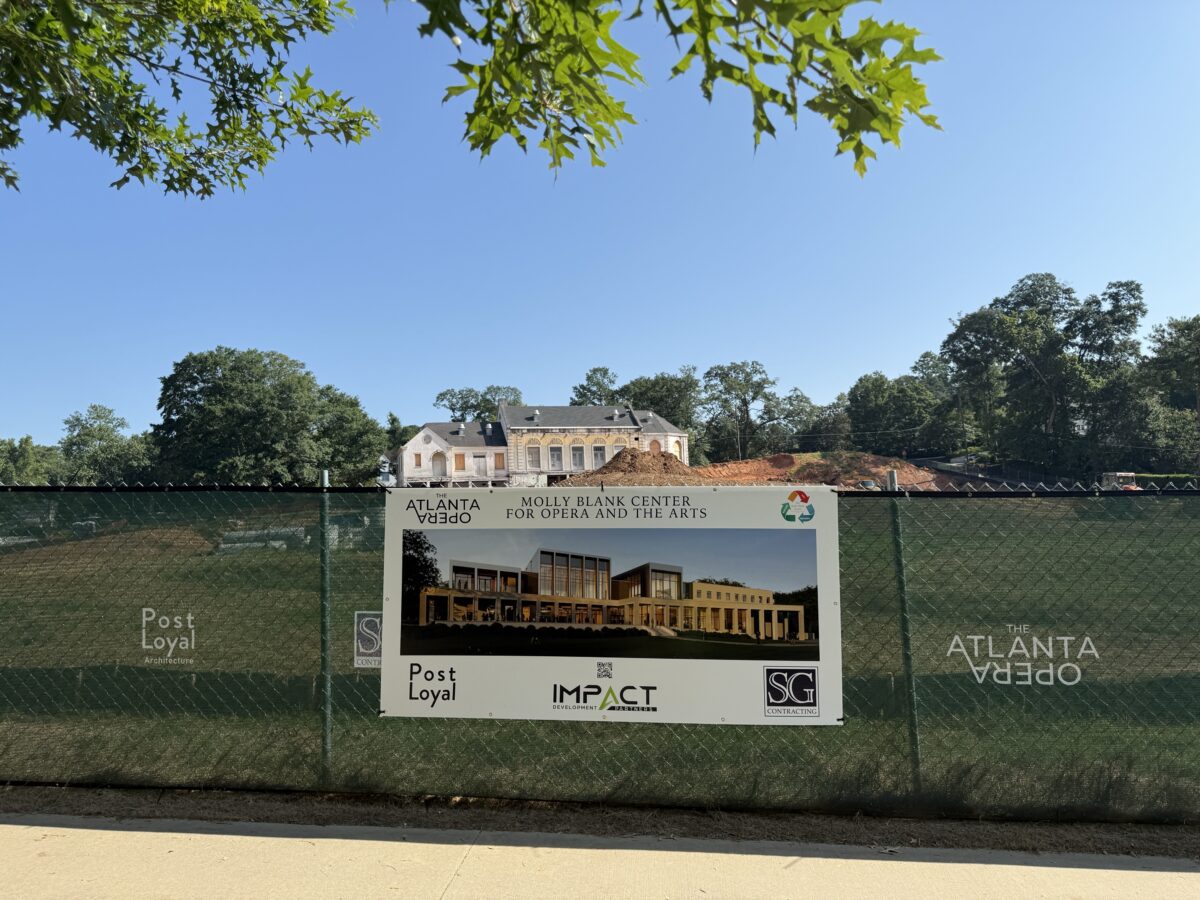
Six months after the groundbreaking at the former Bobby Jones Golf Course clubhouse in Haynes Manor, the opera and two neighborhood organizations report the project is tracking to plan, with substantial completion expected by October 2027. A grand opening date has not been set.
Plans and timeline
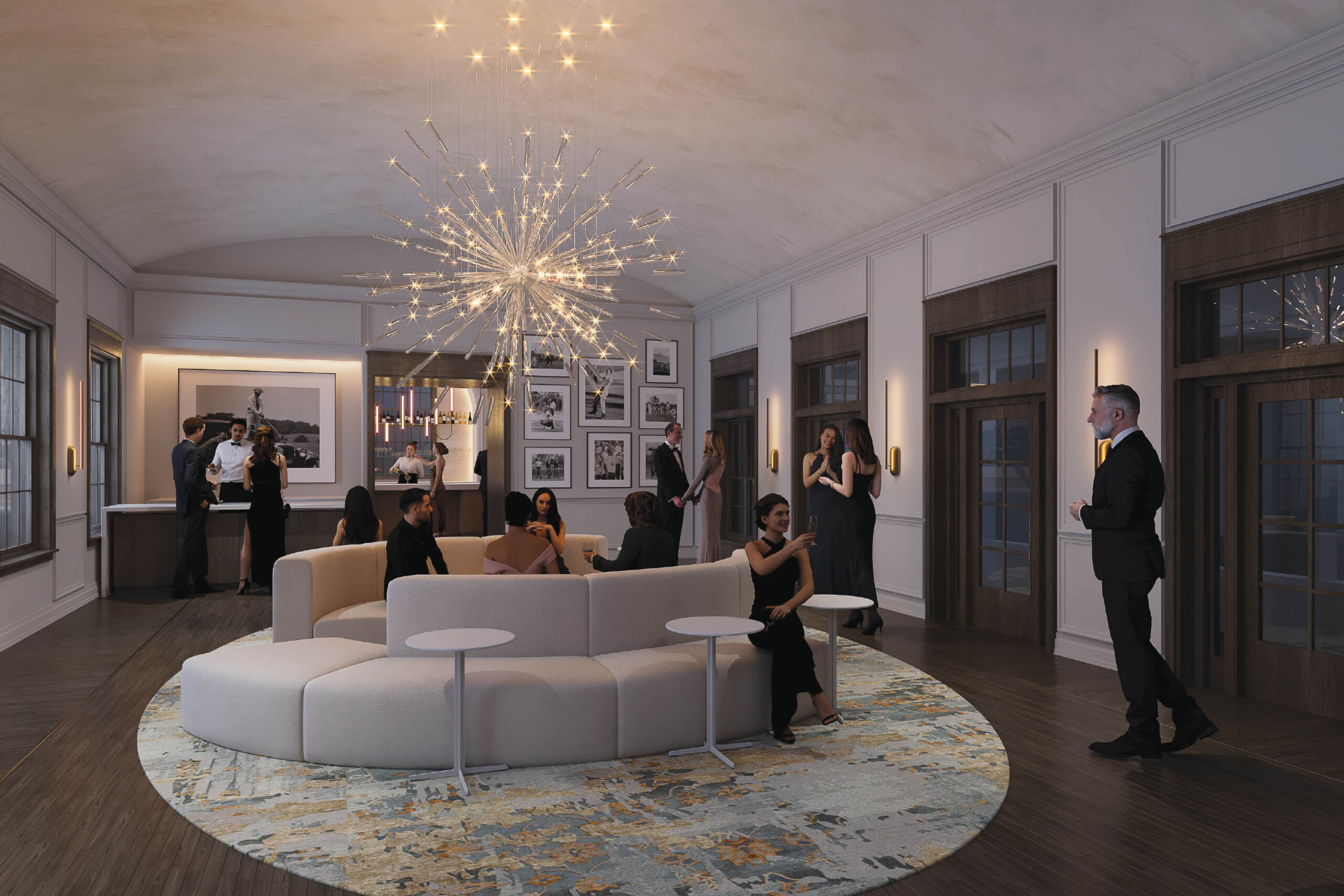
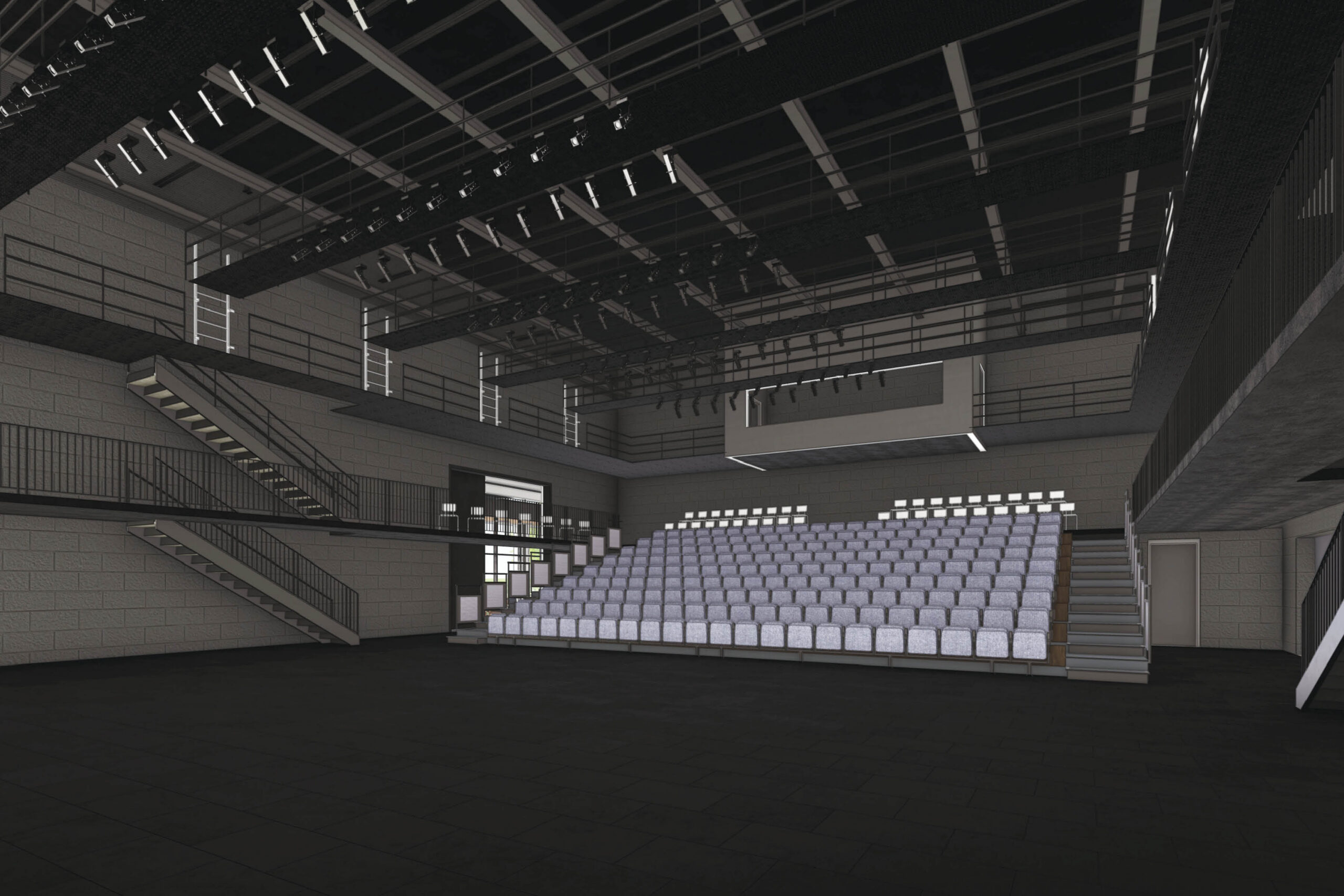
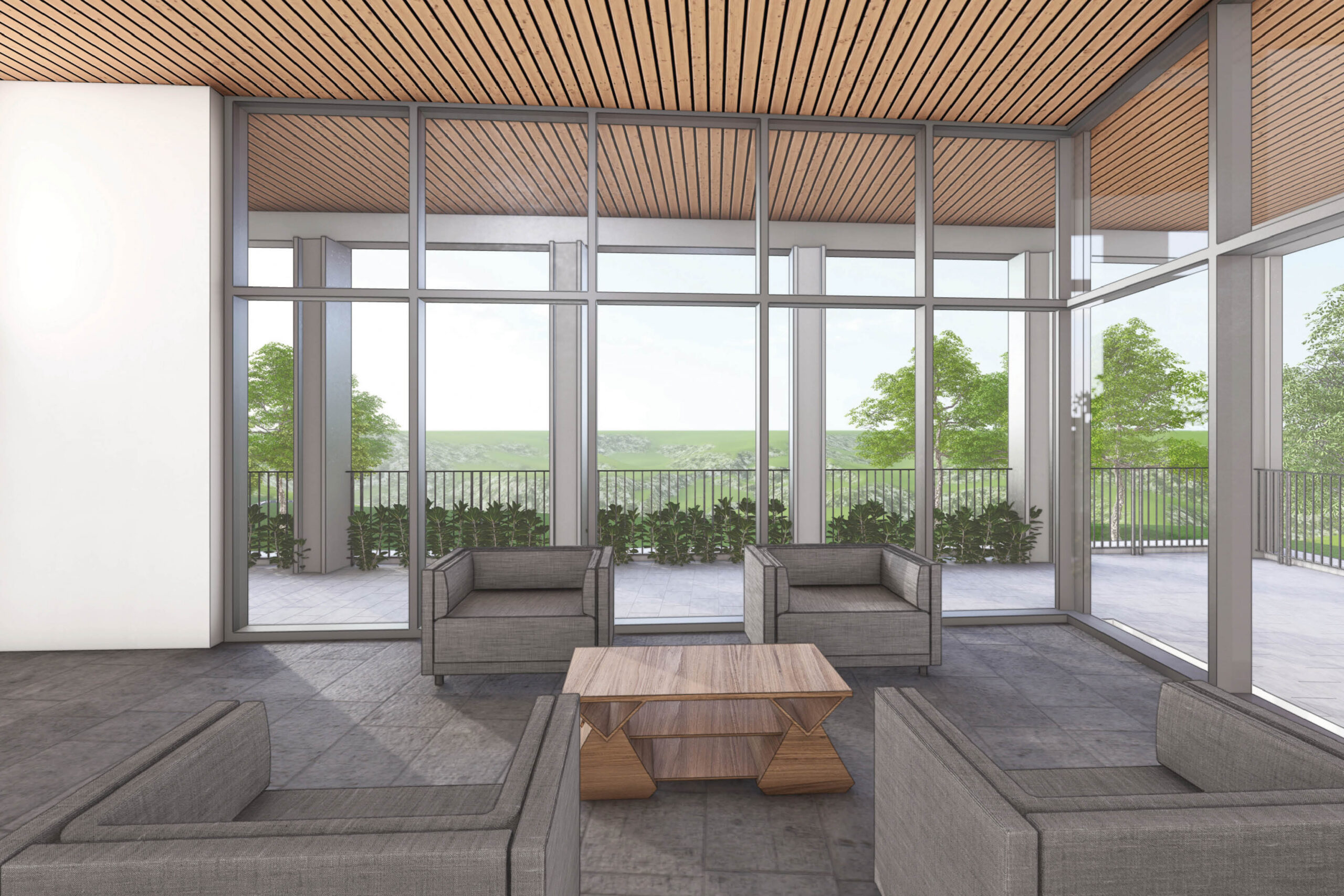
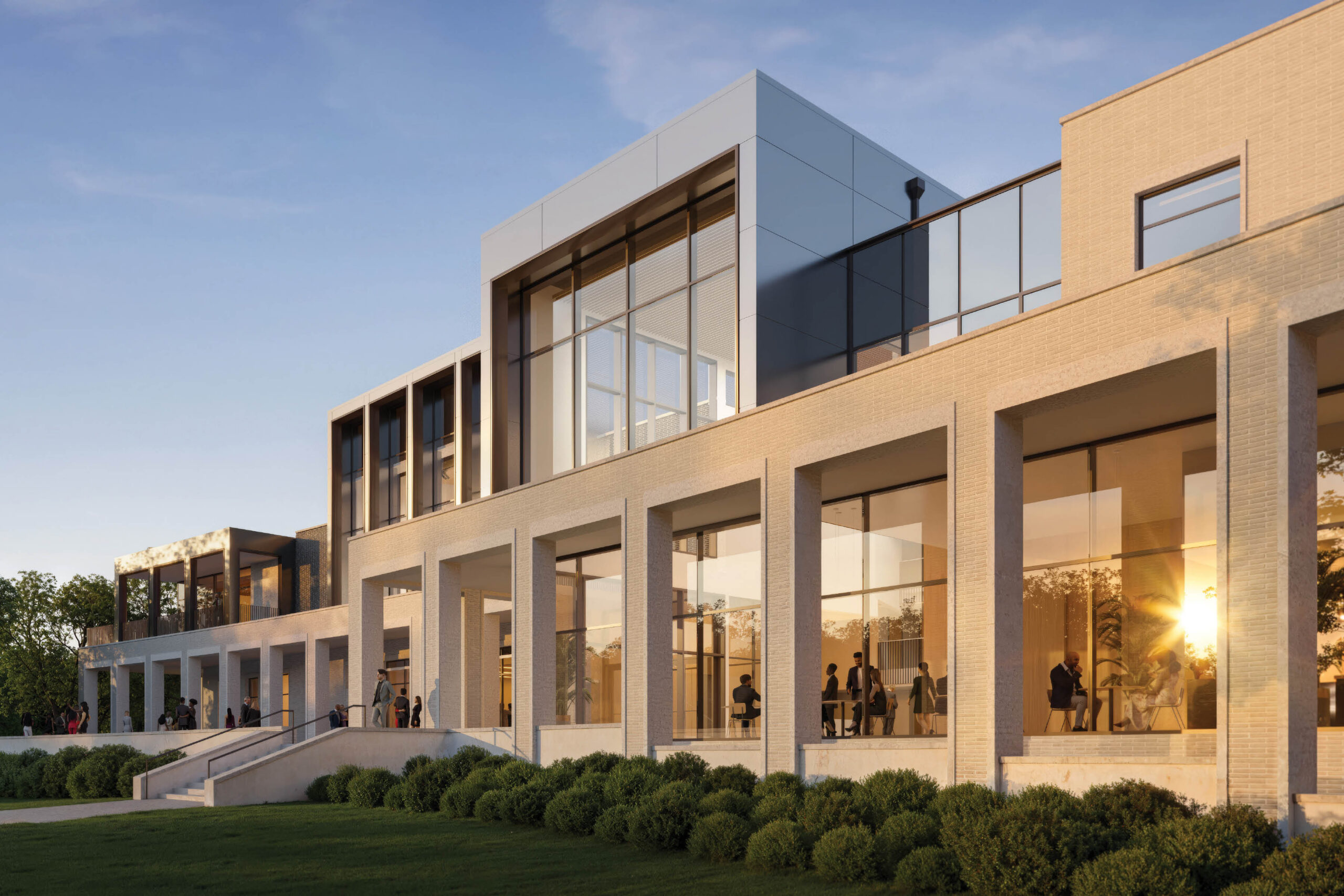
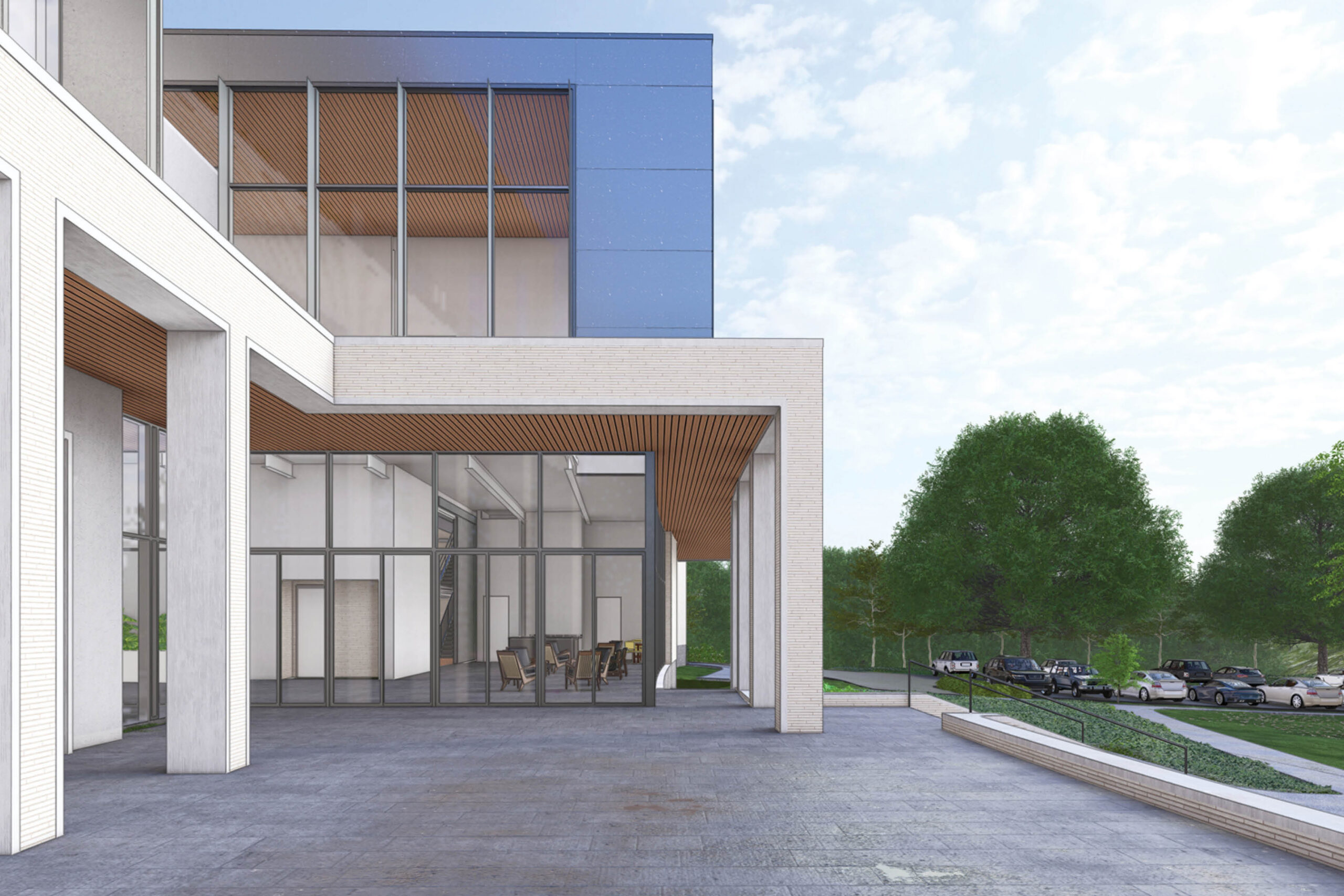
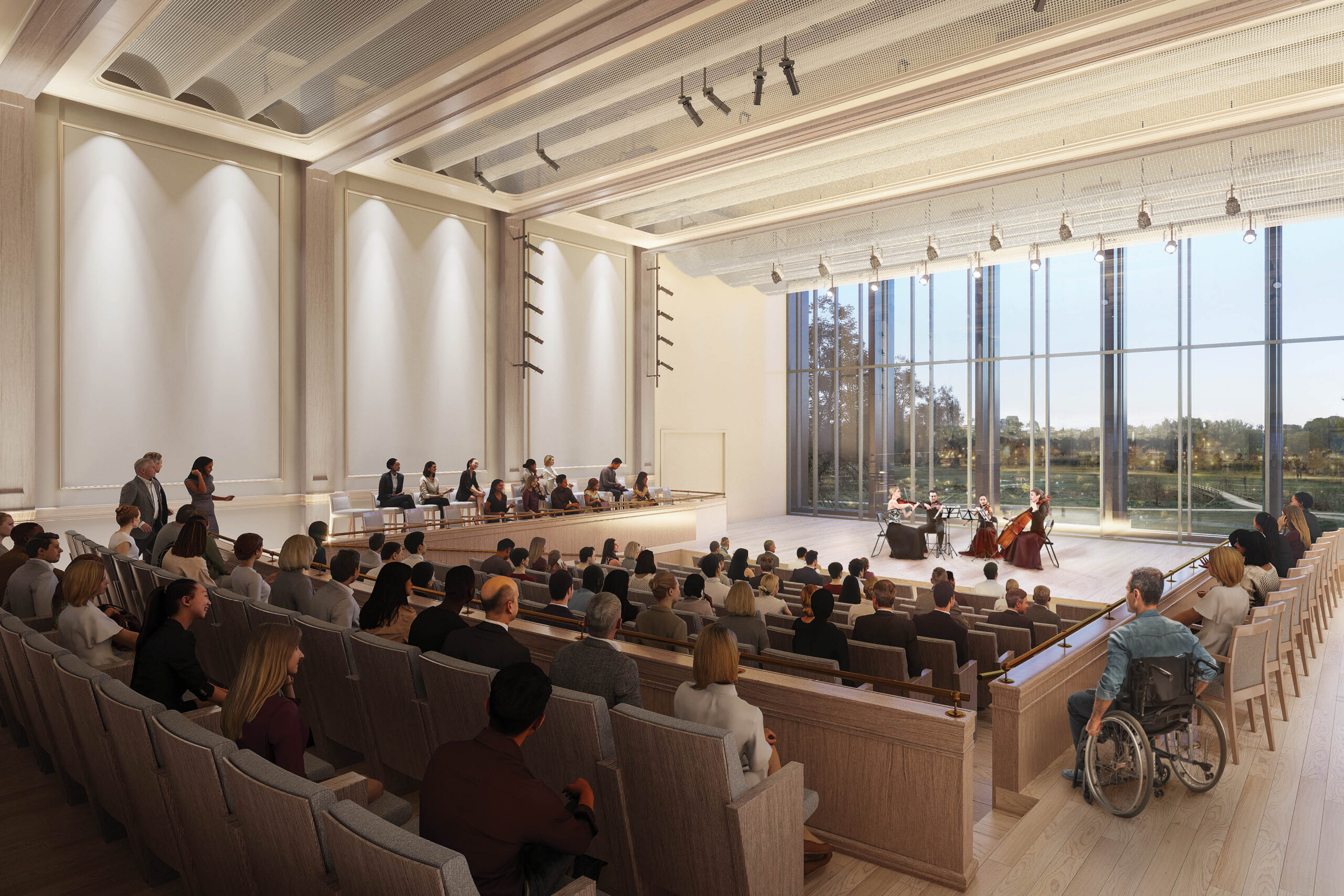
The design centers on Rosemary Hall, a 200-seat recital hall with a large window facing the BeltLine. The historic clubhouse’s original entryway will serve as the hall’s lobby. “The back wall of the recital hall is the back wall of the Bobby Jones,” said Michelle Winters, director of communications for the Atlanta Opera.
Zvulun said the building’s interior acoustics were a primary draw for the company. “The thing about it that is really marvelous is that it’s acoustically pristine inside,” he said.
Winters said the recital hall’s design has changed little since the original concept, apart from practical additions such as backstage areas, restrooms and a crossover allowing performers to move behind the stage unseen. “The acoustics, the layout, the planning for the recital hall really did not change at all from the original plan, because it was done so well the first time,” she said.
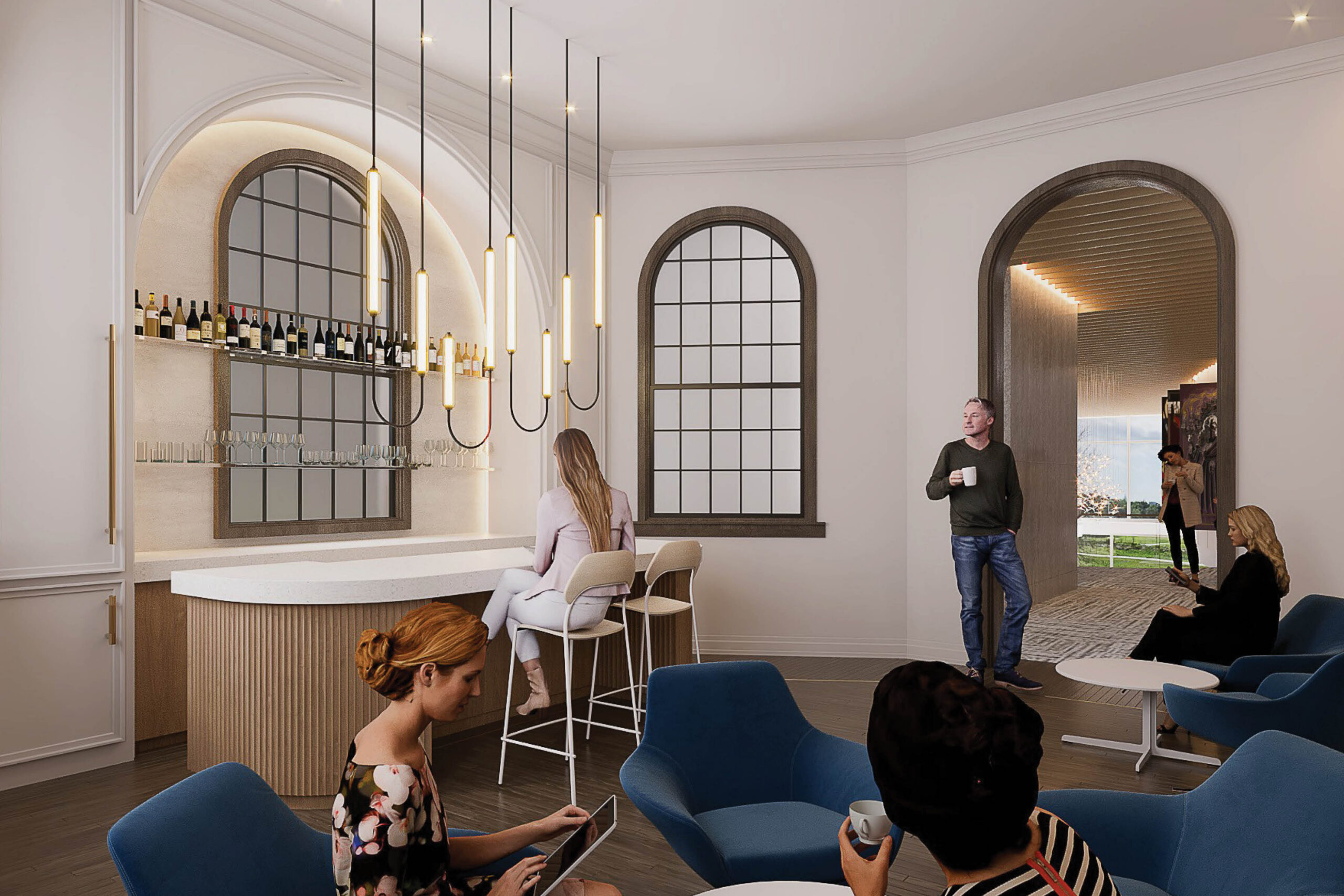
The campus also includes a 6,000-square-foot rehearsal hall, where the company plans to prepare its productions; the opera’s mainstage season will remain at Cobb Energy Performing Arts Centre. Between rehearsal periods, the opera intends to use the hall for immersive productions similar to its stagings of “Cabaret” and “Rent” at Pullman Yards. Plans also include a costume shop, a film studio, a classroom and lecture hall for education programs, staff offices, a box office and a cafe intended to serve BeltLine users.
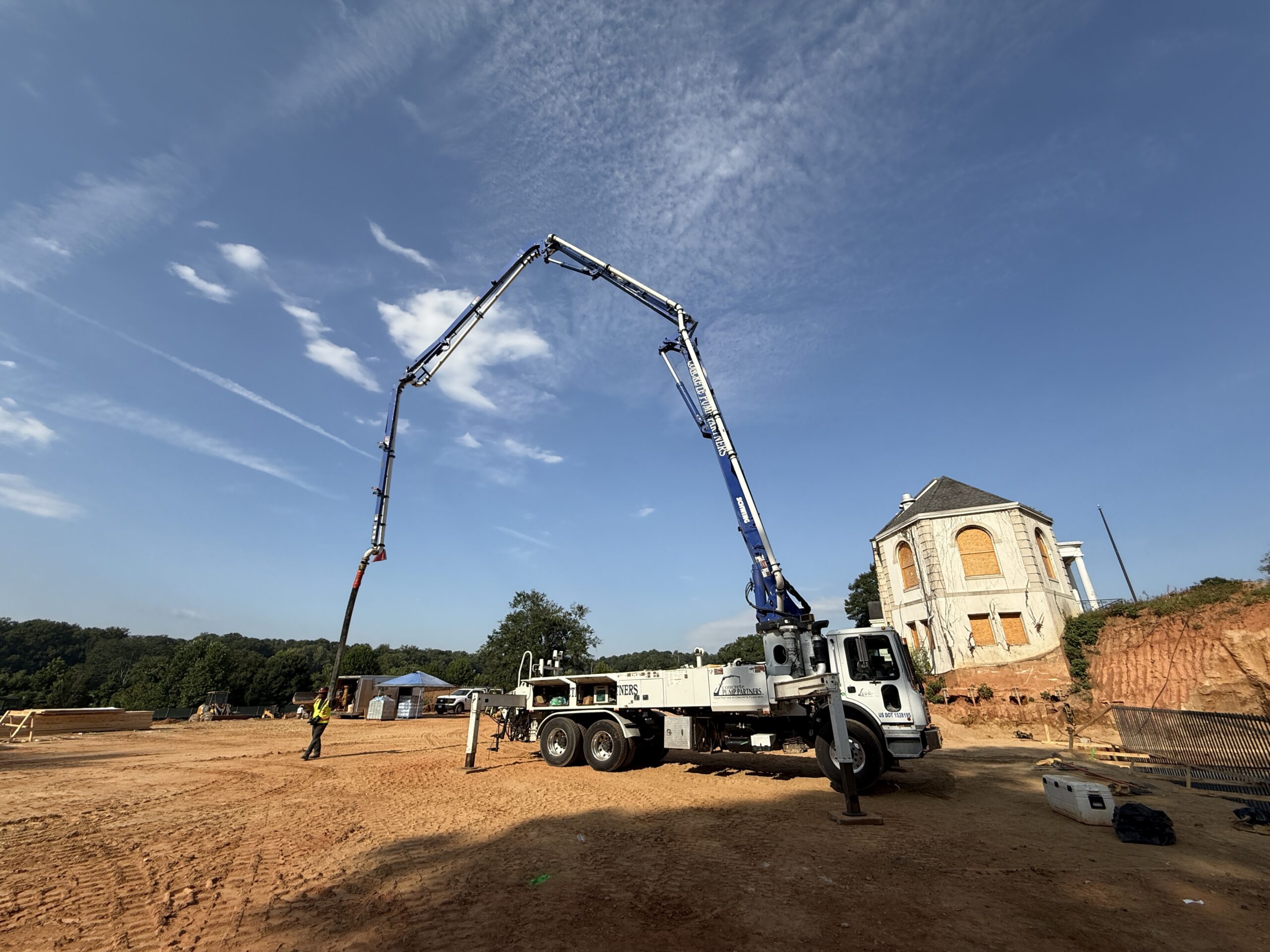
Work to date has focused largely on grading and earthwork, according to Winters. The site slopes into the 100-year floodplain along Peachtree Creek, and the opera says the building was designed to sit several feet above the floodplain, with regraded grounds and two retention pools to capture stormwater. Zvulun said the changes have already reduced runoff: “With all the rain in the past few months, we’ve seen a big decrease in erosion into the creek and flooding of the BeltLine.” The opera’s published construction timeline calls for an 18-month build, with initial site work that began Feb. 23, vertical construction starting in June and substantial completion by October 2027. Interior work will follow, and the company has not set an opening date. “We still have a soft concept of when we’re going to actually have a grand opening,” Winters said.
According to the opera, construction operations run 7 a.m. to 6 p.m. Monday through Friday, with some Saturday work between 9 a.m. and 6 p.m.
Neighborhood response
The opera meets monthly with the Peachtree Battle Alliance and the Atlanta Memorial Park Conservancy, according to representatives of both organizations.
Patrick Deveau, a Peachtree Battle Alliance board member and co-chair of the alliance’s Zoning and Variance Committee, is the neighborhood’s liaison to the Atlanta Opera project and lives about 10 houses from the site. “The neighborhood generally has been very pleased with the level of collaboration, with the openness from the Atlanta Opera and the engagement,” Deveau said. He said the company has “taken a significant effort that you don’t always see to engage us in issues early, kind of before they become issues.”
Catherine Spillman, executive director of the Atlanta Memorial Park Conservancy, said the opera has communicated with neighbors since the project’s start. “There’s never been an issue of something happening that the neighborhood didn’t know about,” she said.
On construction impact, Deveau said the project has been difficult to distinguish from routine residential building nearby. “I’m actually looking out the window right now, and my neighbor who is building a new house has a giant flatbed truck and a forklift delivering sod,” he said. “It would be hard to significantly identify construction impact as it relates purely to the Atlanta Opera project.”
Deveau said site-related issues have been addressed when they arise. “I’ve received a text message from the superintendent … who has witnessed a delivery truck blocking a neighbor’s driveway or something like that, and it gets fixed immediately,” he said. He described one incident in which a delivery truck struck a low-hanging tree branch on a neighboring property; he said the opera and its contractor resolved it and that the affected neighbors reported being satisfied afterward.
Spillman said the project’s pace has matched what the opera told the neighborhood to expect. “They’re on schedule, which is almost unheard of,” she said.
Parking and other concerns
The most persistent concern raised by residents predates the opera’s involvement: parking on Woodward Way. During the clubhouse’s years serving the golf course, Spillman said, cars lined the residential street and residents at times had difficulty leaving their driveways. She said neighbors told the opera from the outset that they did not want street parking to return.
“The Atlanta Opera really has kept their word,” Spillman said, adding that the company “worked tirelessly to find a plan where all of the parking can be accommodated behind the building. … We don’t want to go back in time. We want to make this better.”
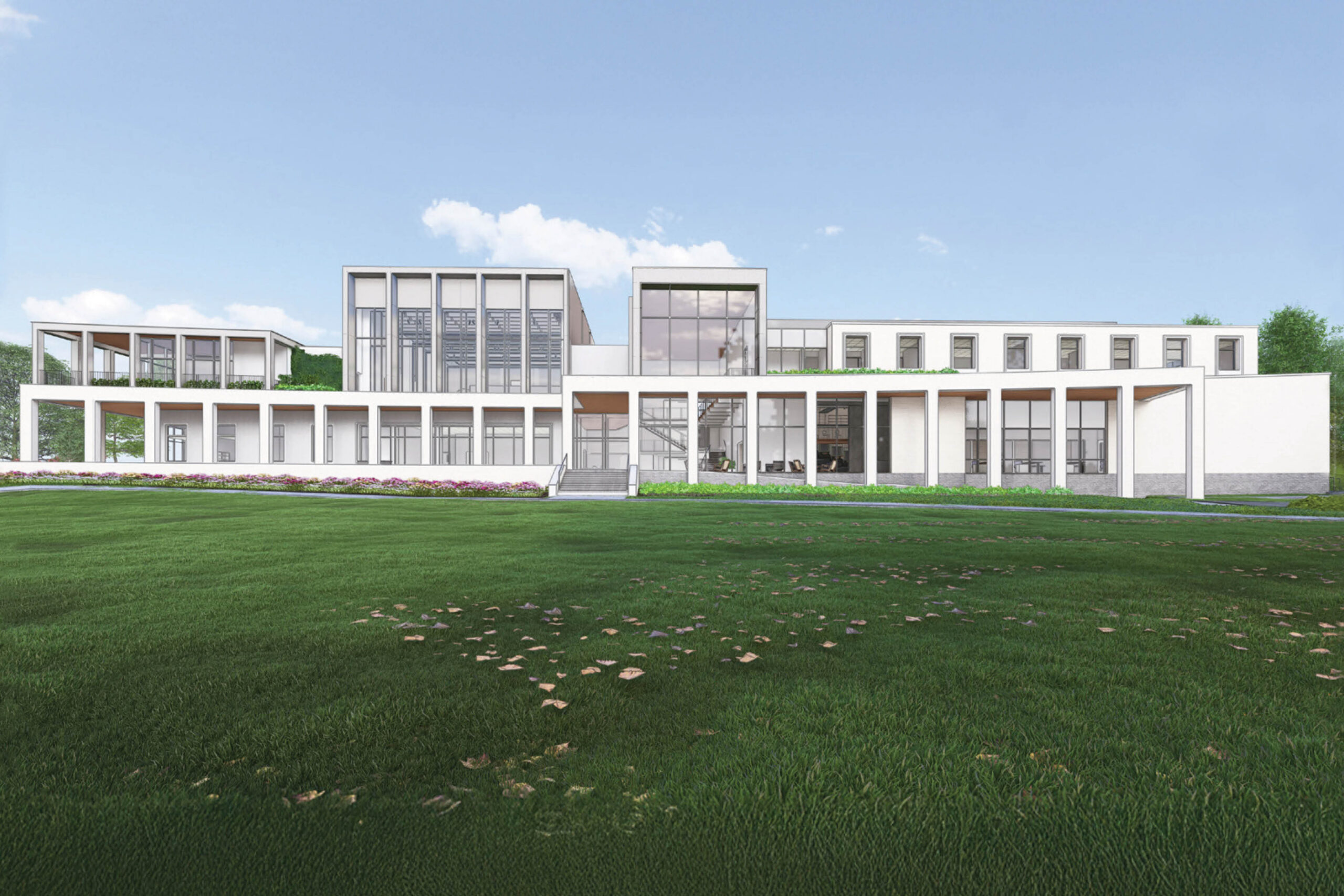
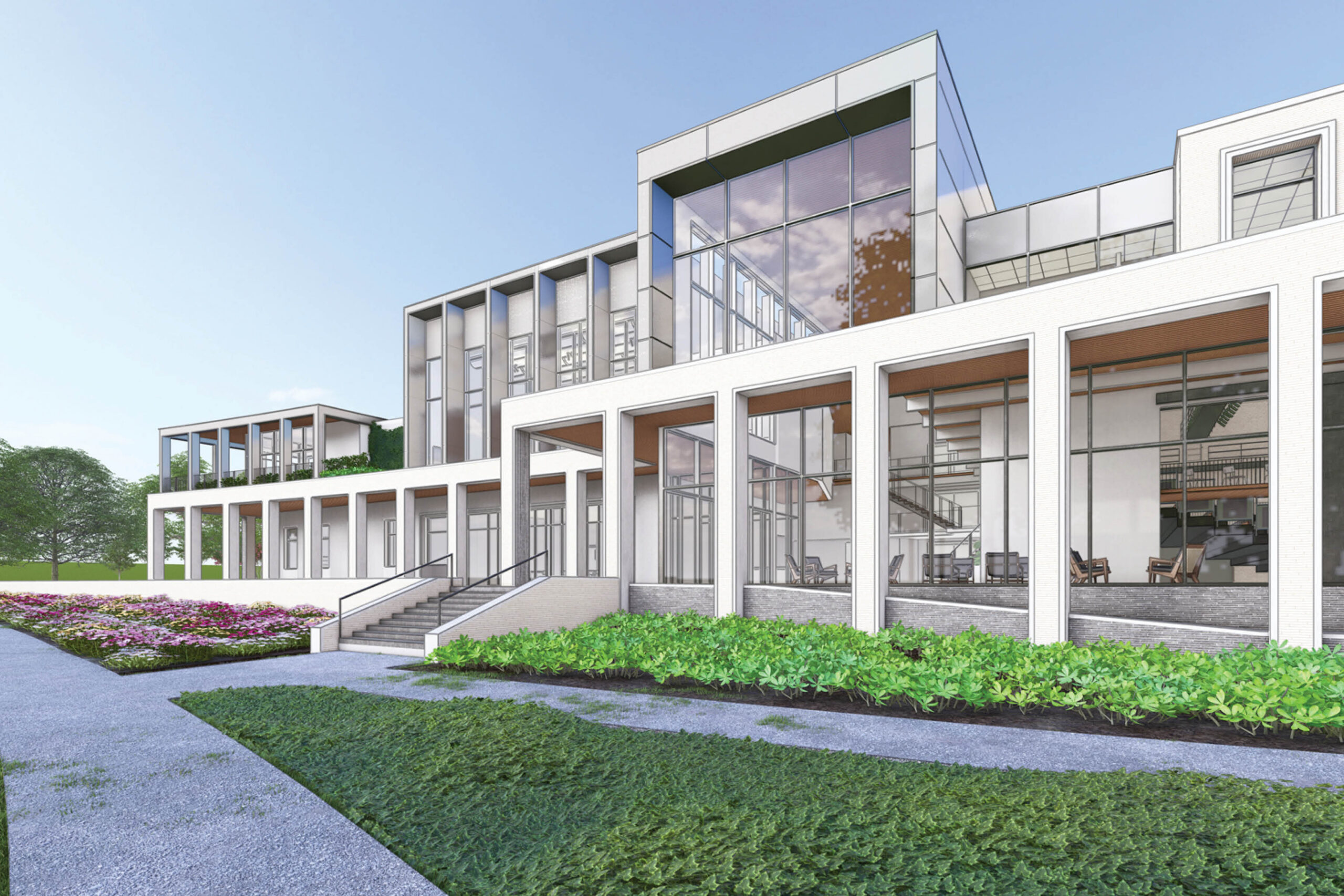
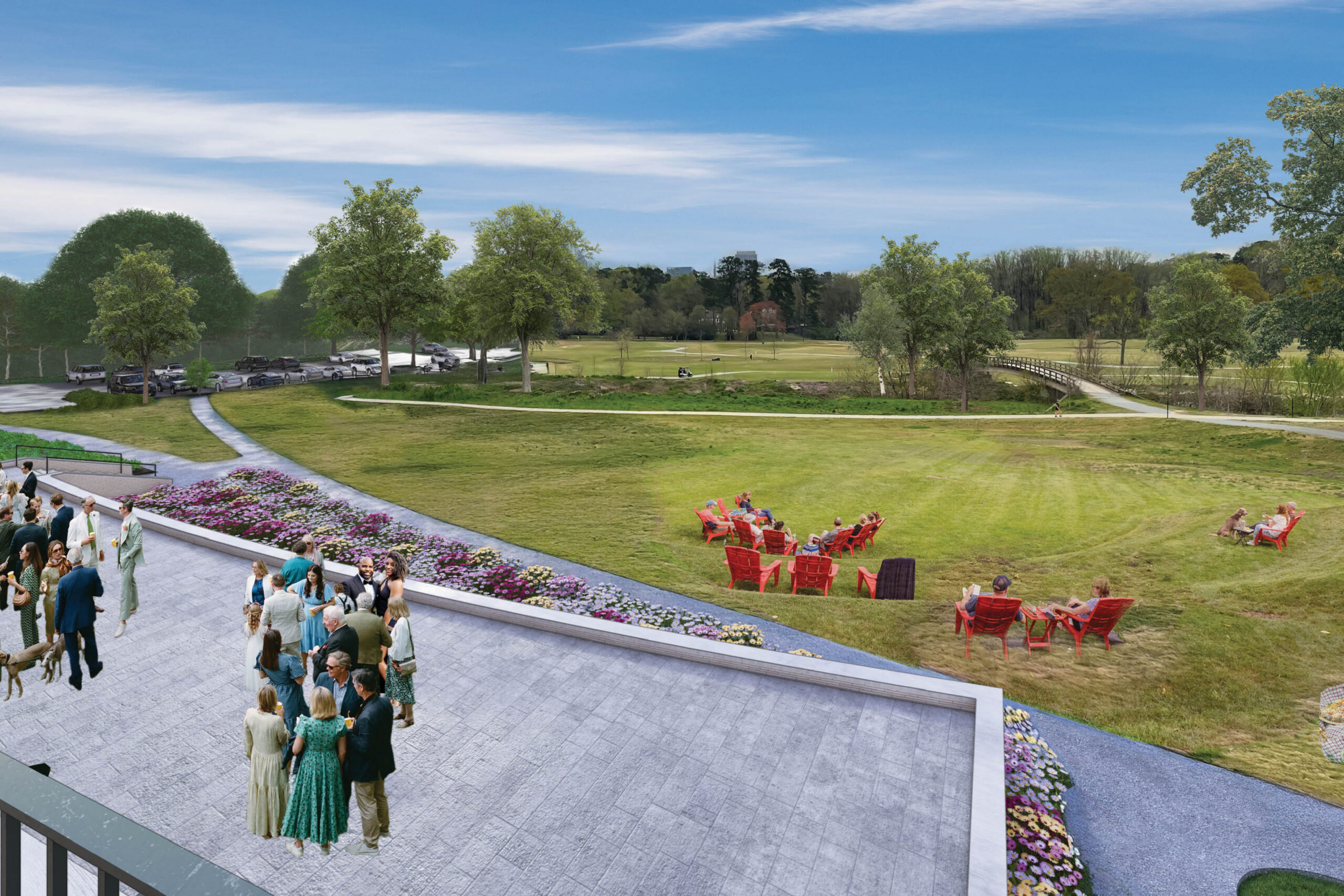
According to the opera, the building’s main entrance will face the BeltLine on the south side, where an existing surface lot will be reconfigured to serve as the center’s primary parking area, including ADA-accessible parking and drop-off. The company says it hopes to draw as many visitors arriving on foot or by bike from the trail as by car, and that a traffic study projected minimal impact on traffic volumes during peak periods — with no venue seating more than 200, the opera anticipates a maximum of about 60 patron vehicles per performance.
To add capacity, the opera has proposed redeveloping three lots east of Havenridge Drive — parcels purchased by the City of Atlanta because of repeated flooding and subject to FEMA use restrictions — into a pervious-surface overflow parking area with added drainage and bioretention features. The city’s Department of Parks and Recreation is evaluating the proposal, which, if approved, would then require final FEMA approval. “Our goal is definitely to keep any parking off of the street, so we’re not disrupting anything,” Winters said.
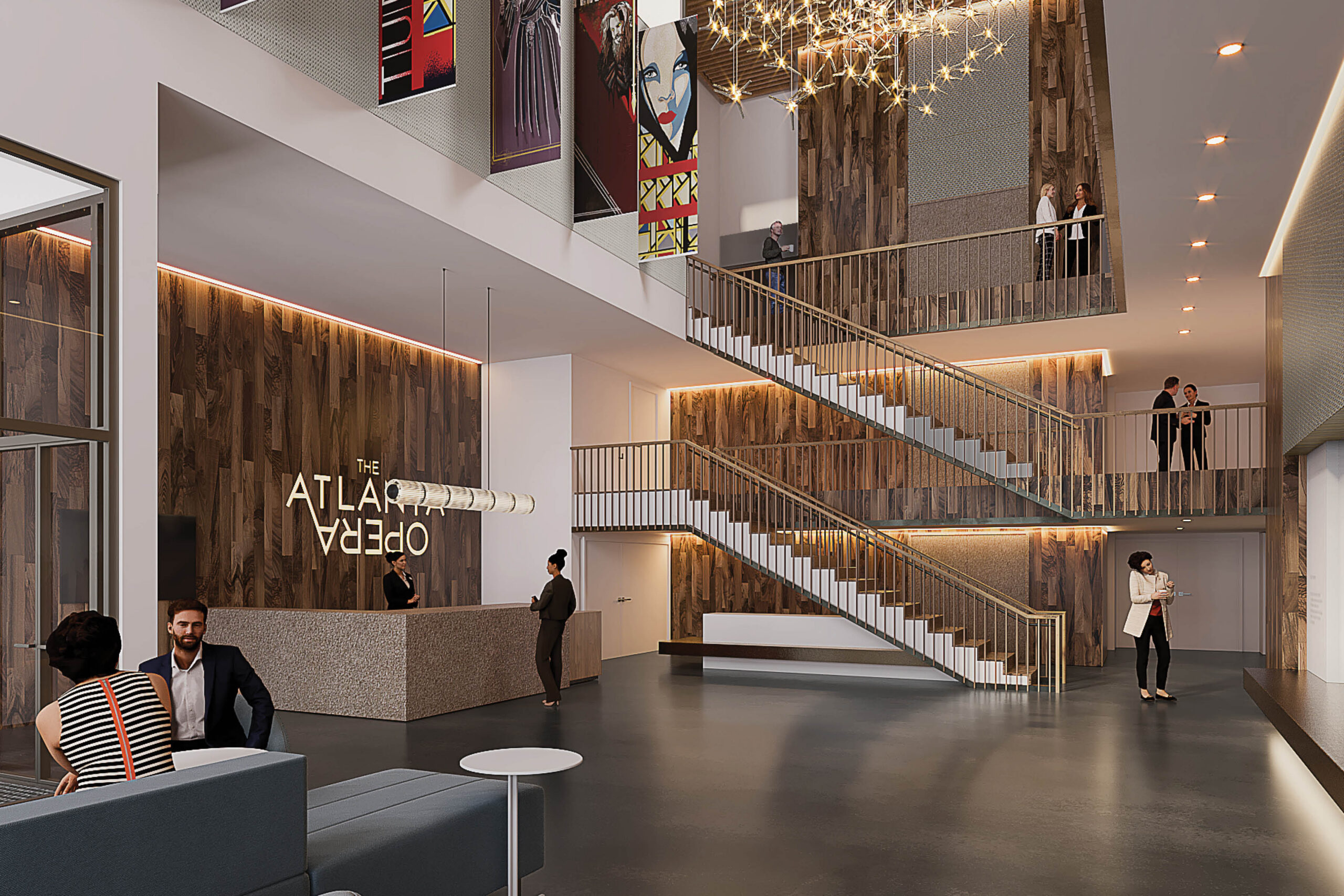
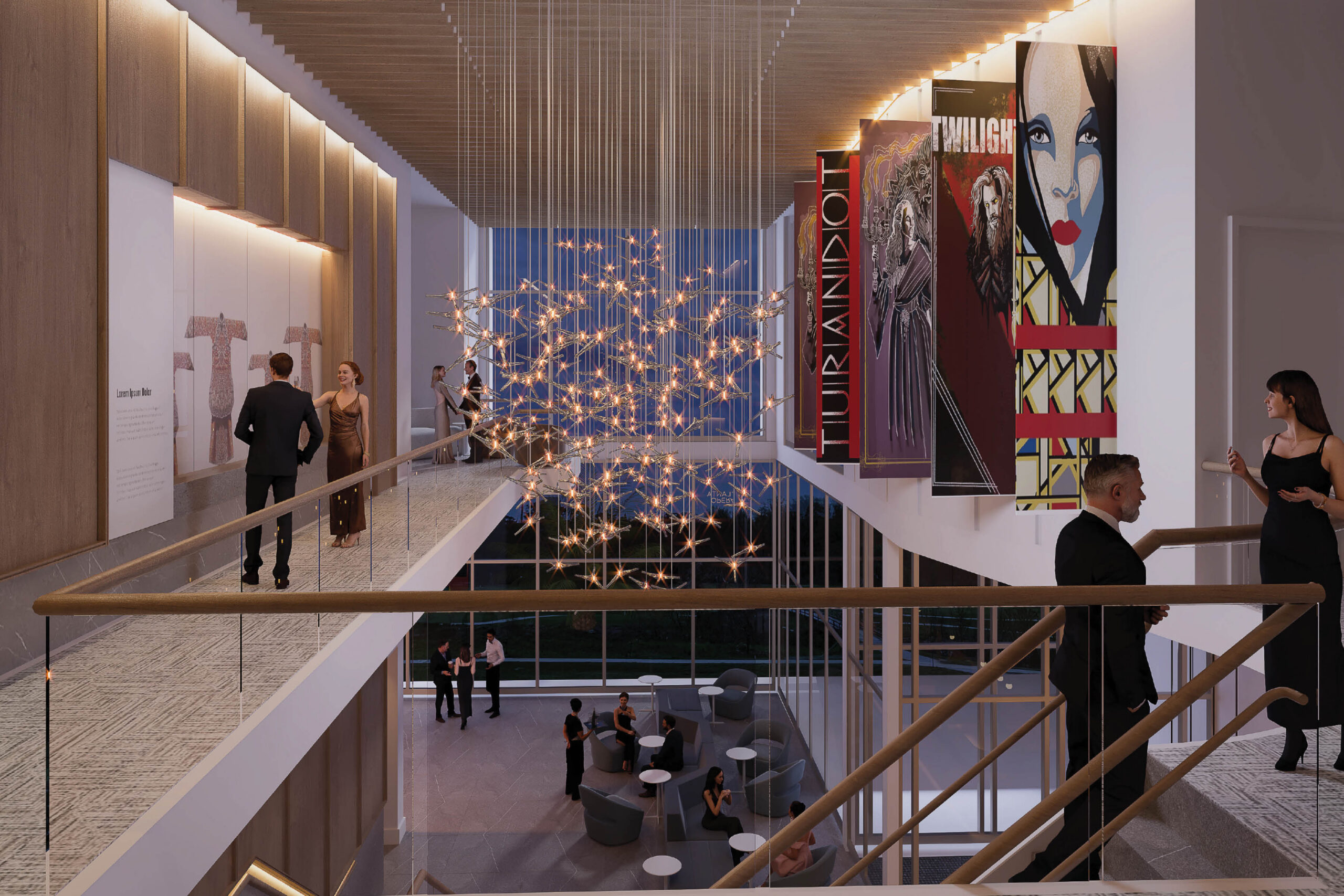
Construction-period logistics follow the same approach, according to the opera. The site entrance sits at the corner of Woodward Way and Havenridge Drive, and workers park in an existing lot behind the building, which the company says is intended to keep worker vehicles off residential streets. Truck traffic through the neighborhood varies with the stage of work, and the opera says it is working with its contractor to strongly discourage trucks from entering or exiting at Woodward Way and Northside Drive, where the roadway is narrow and the turning radius tight.
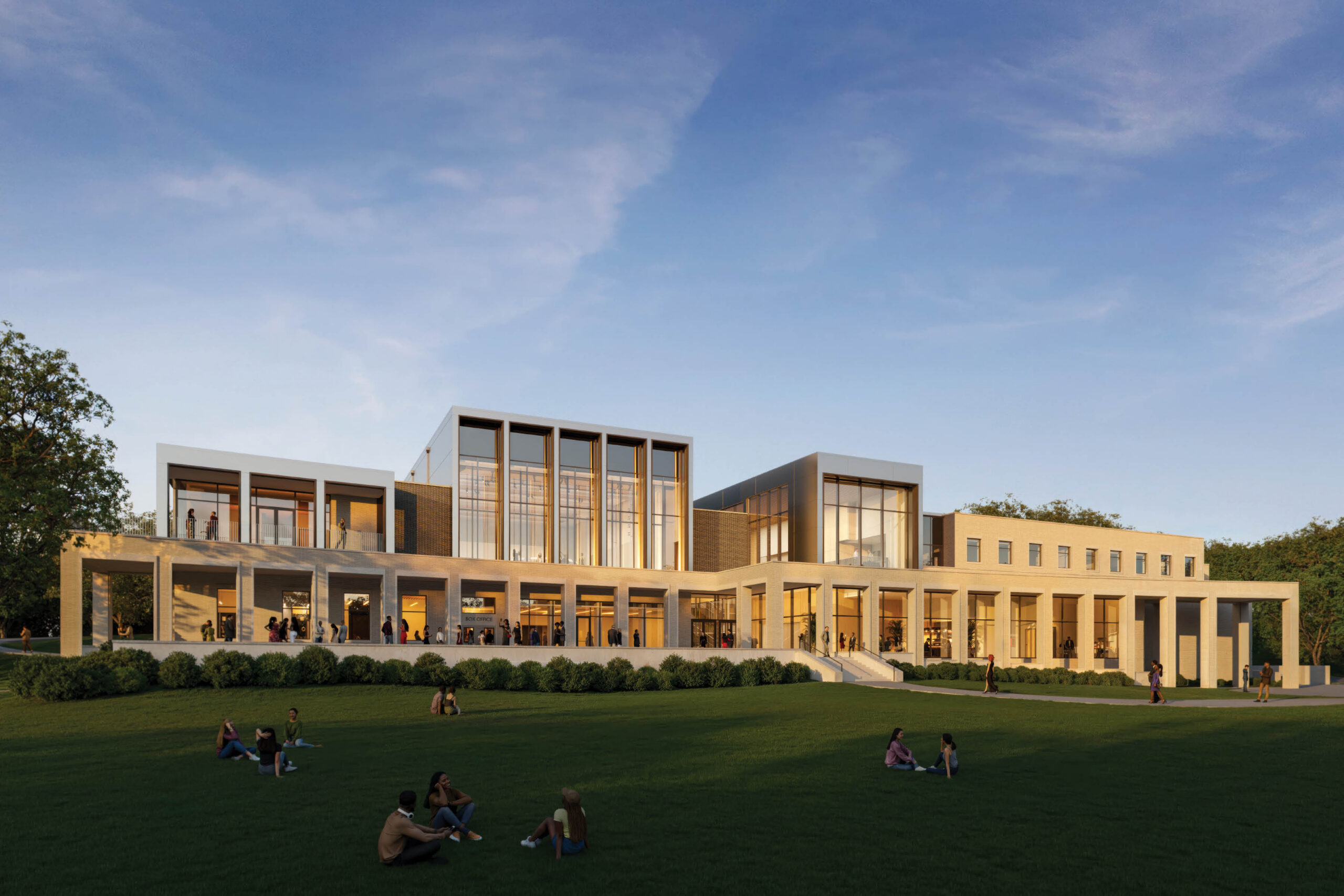
Deveau said the lawn between the clubhouse and the BeltLine will remain under the current plans. “That lawn has historically been well used and well loved by the neighborhood,” he said. “The neighborhood’s very happy that they listened and kept that. … I have young kids, and we use that green space all the time.” He said the plans also preserve existing BeltLine parking and trail access. During construction, the opera says the BeltLine path will remain open apart from brief closures for drainage installation, though the surface parking lot serving the trail closed Feb. 14 and will remain closed through fall 2027.
Tree removal is also part of the site work. Several fast-growing water oaks dating to the 1940s are in severe decline, with parasitic mistletoe infestations, and more than four have fallen in the past two years, according to the opera. The company says its goal is to preserve as many of the large oaks as safety and the floodplain restoration allow, with a significant planting of native species planned for next year and further expansion of tree coverage after construction in partnership with Trees Atlanta, the Atlanta Memorial Park Conservancy and the Peachtree Battle Alliance.
Both organizations said programming is expected to begin gradually after opening. Winters said the opera is developing a booking strategy “created hand-in-hand with the neighborhood.” “All of a sudden, it’s not going to be fully booked,” Spillman said. “It’s going to be this gradual programming.” The opera also maintains a public suggestion channel; Winters cited a recent resident proposal for a dog water fountain at the edge of the property as an example of feedback under consideration.
History of the Bobby Jones clubhouse
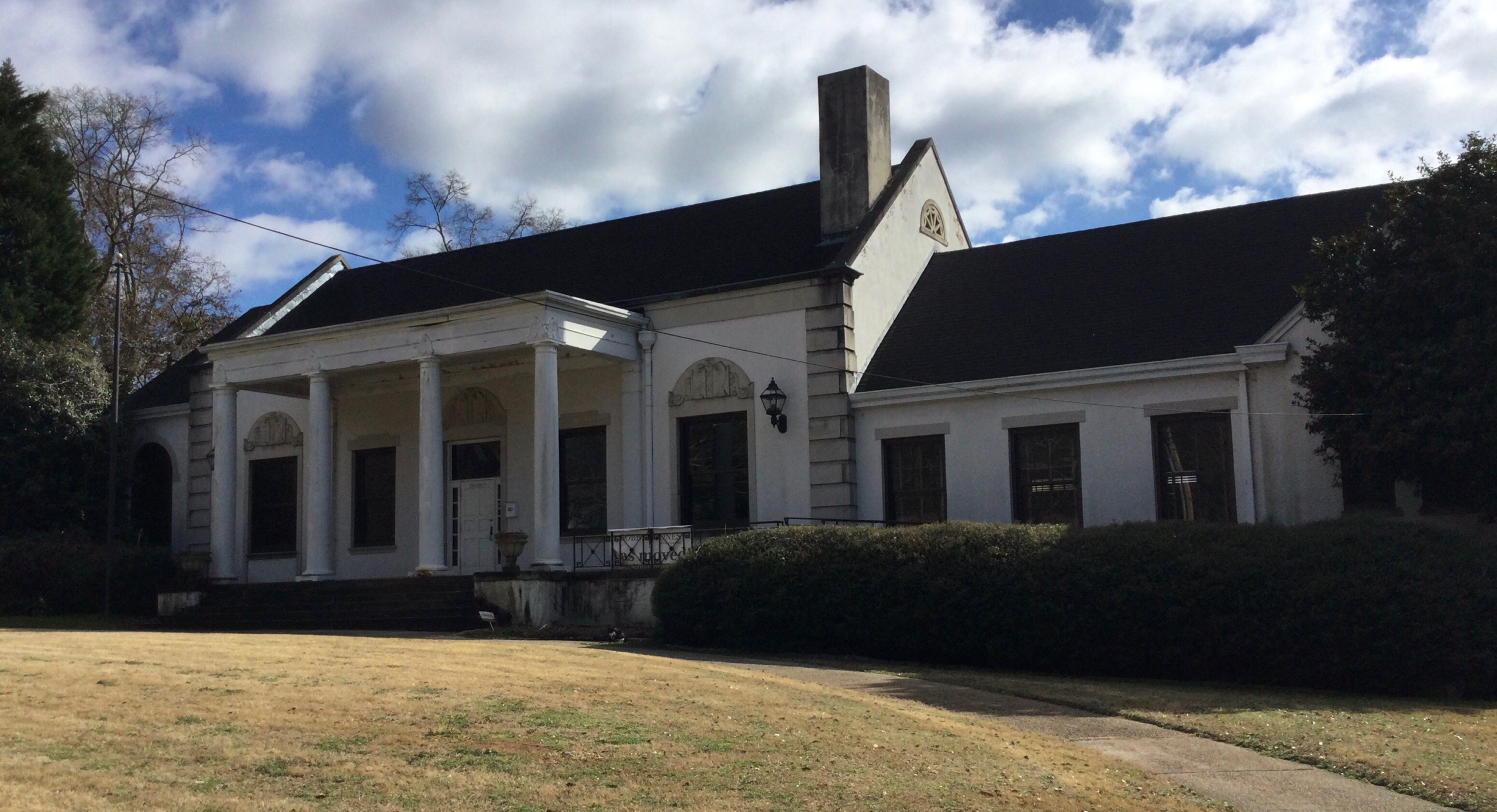
The Bobby Jones Golf Course opened in the early 1930s as a public course built by the city and named for the Atlanta golfer. The clubhouse was added in 1941 and hosted weddings, proms and other events for decades, Zvulun said. After the course’s current golf house opened in 2016, the older clubhouse sat vacant and was later included on the Georgia Trust for Historic Preservation’s Places in Peril list.
The site is also connected to a landmark civil rights case. In July 1951, Dr. Hamilton Holmes, his sons Oliver and Alfred “Tup” Holmes, and family friend Charles Bell were denied entry to the then-whites-only course. The resulting lawsuit, Holmes v. City of Atlanta, reached the U.S. Supreme Court, which ruled unanimously in November 1955 that the city must open its public courses to Black golfers. Atlanta’s courses were desegregated that December, and the ruling was later cited in cases challenging segregation in other public facilities.
Spillman said the opera plans to acknowledge that history in the building. “The Atlanta Opera does plan to incorporate the story of Tup Holmes into that building,” she said, “so that that significant part of Atlanta’s history, as bad as it was, is remembered.”
The opera says the clubhouse facade will be preserved, with a modern addition featuring large glass windows facing the trail behind it. “We are going to preserve the facade as is — this Greek Revival gem,” Zvulun said. “We are committed to preserving an art form that is over 400 years old, and at the same time, we’re also committing to innovation and telling stories in a way that is highly technological and connects with a new audience.” Zvulun has called the groundbreaking the company’s “second inflection point.” The first came in 2020, when the opera kept performing under a red-and-blue circus tent on a baseball field at Oglethorpe University while most American companies went dark — a run that drew national attention and philanthropic support and helped lift the company to an operating budget above $15 million. The same tent was pitched at the Bobby Jones site for the groundbreaking.
Deveau said walkable access is among the outcomes residents hope to see. “A positive outcome would be people in the neighborhood being able to walk to a performance or walk to an event,” he said. “I think that’s rare in Atlanta.”
Zvulun said the site’s setting is central to the company’s plans for it. “Most performing arts centers are disconnected from nature,” he said. “This is the opposite. This is really about nature. It’s about connecting with the creek and the community that is passing by.”