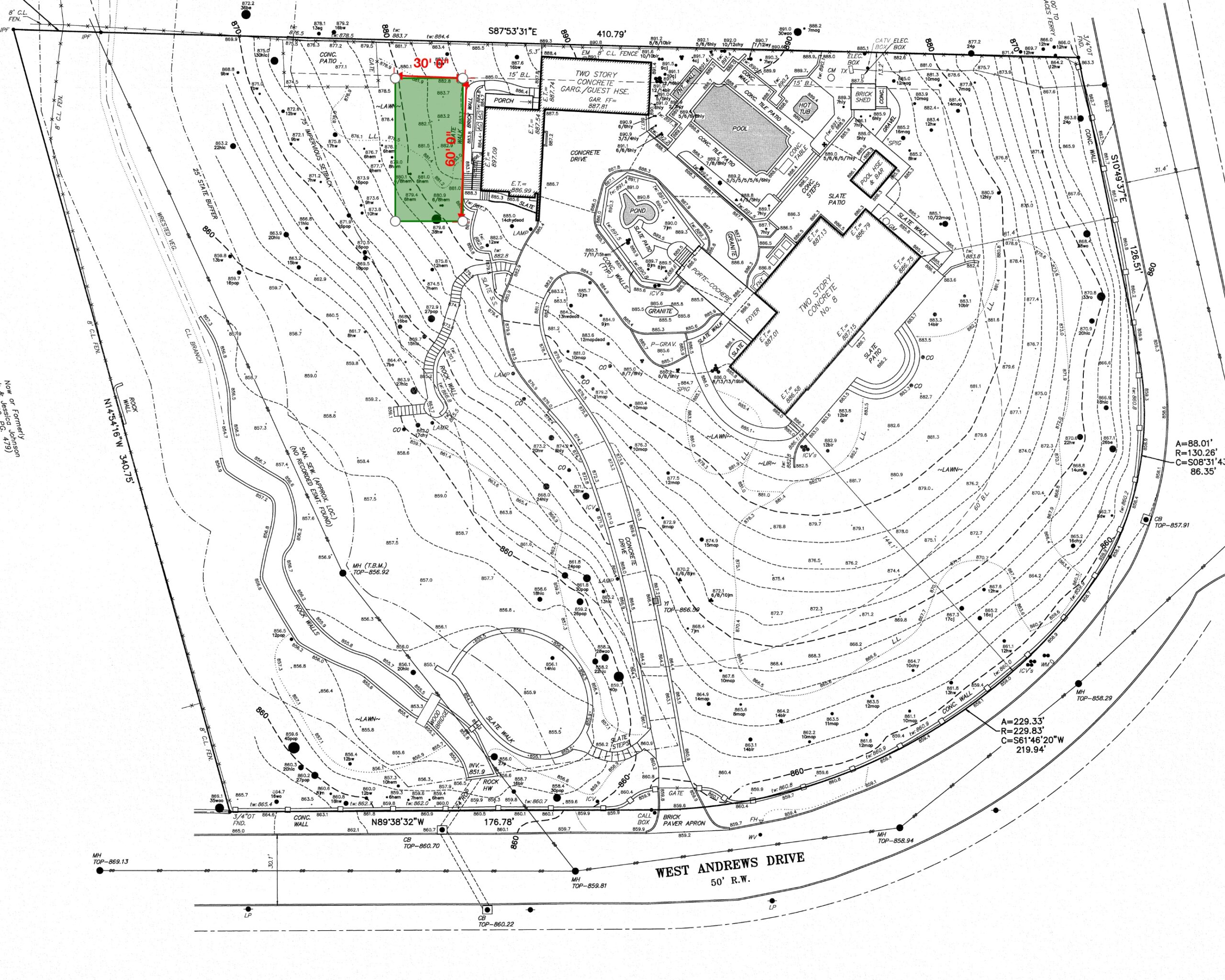
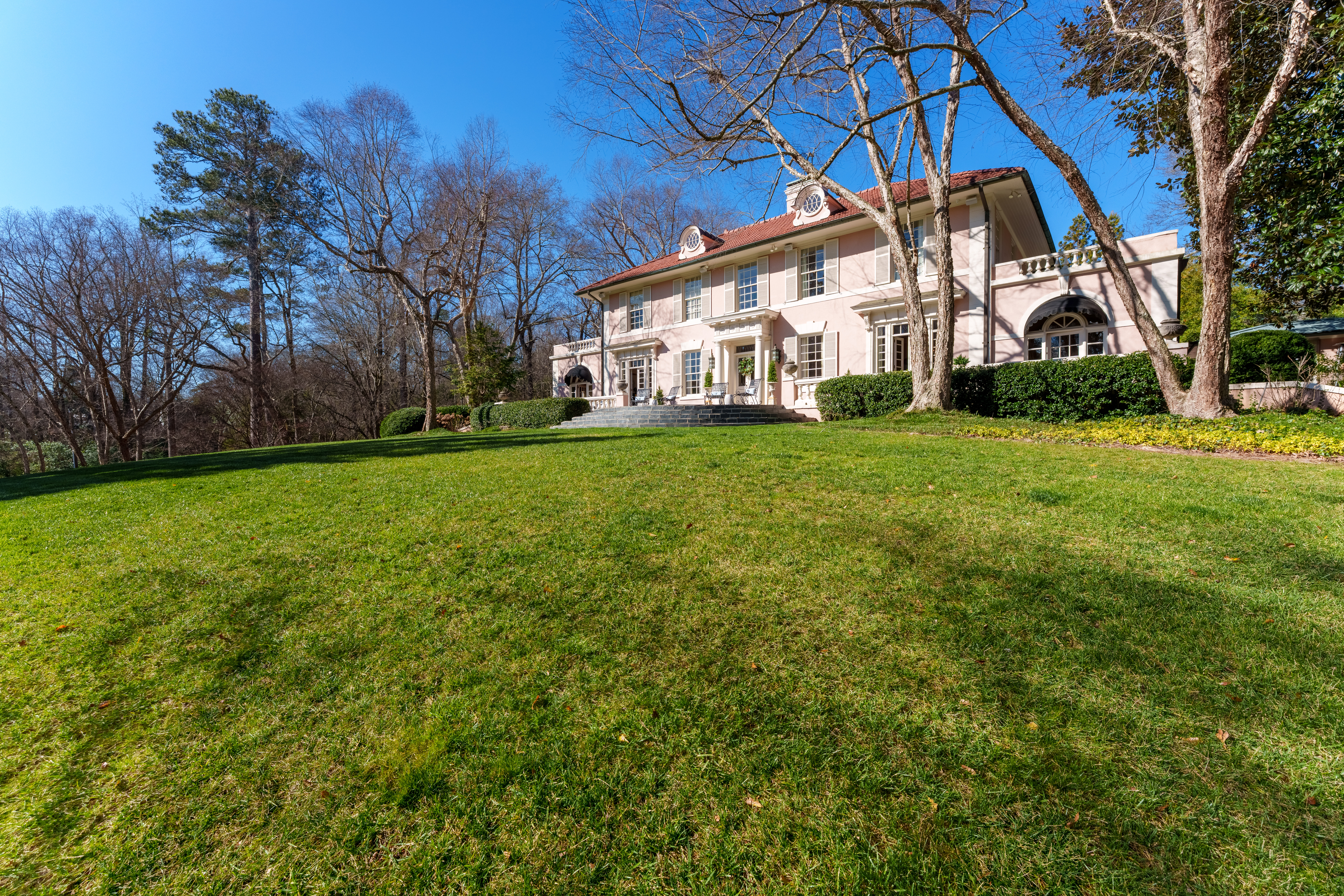
Few homes in Atlanta can trace their origins to architects of genuine national importance. The Austell Estate is one of them. Completed in 1915 by Carrère & Hastings—the New York firm behind the New York Public Library and the Frick Collection—this Mediterranean Revival residence anchors one of Buckhead’s most storied corners. Peachtree Heights Park (now called Peachtree Heights West) remains the only residential neighborhood the celebrated firm ever designed, and the Austell Estate was among the first homes to rise from their vision.
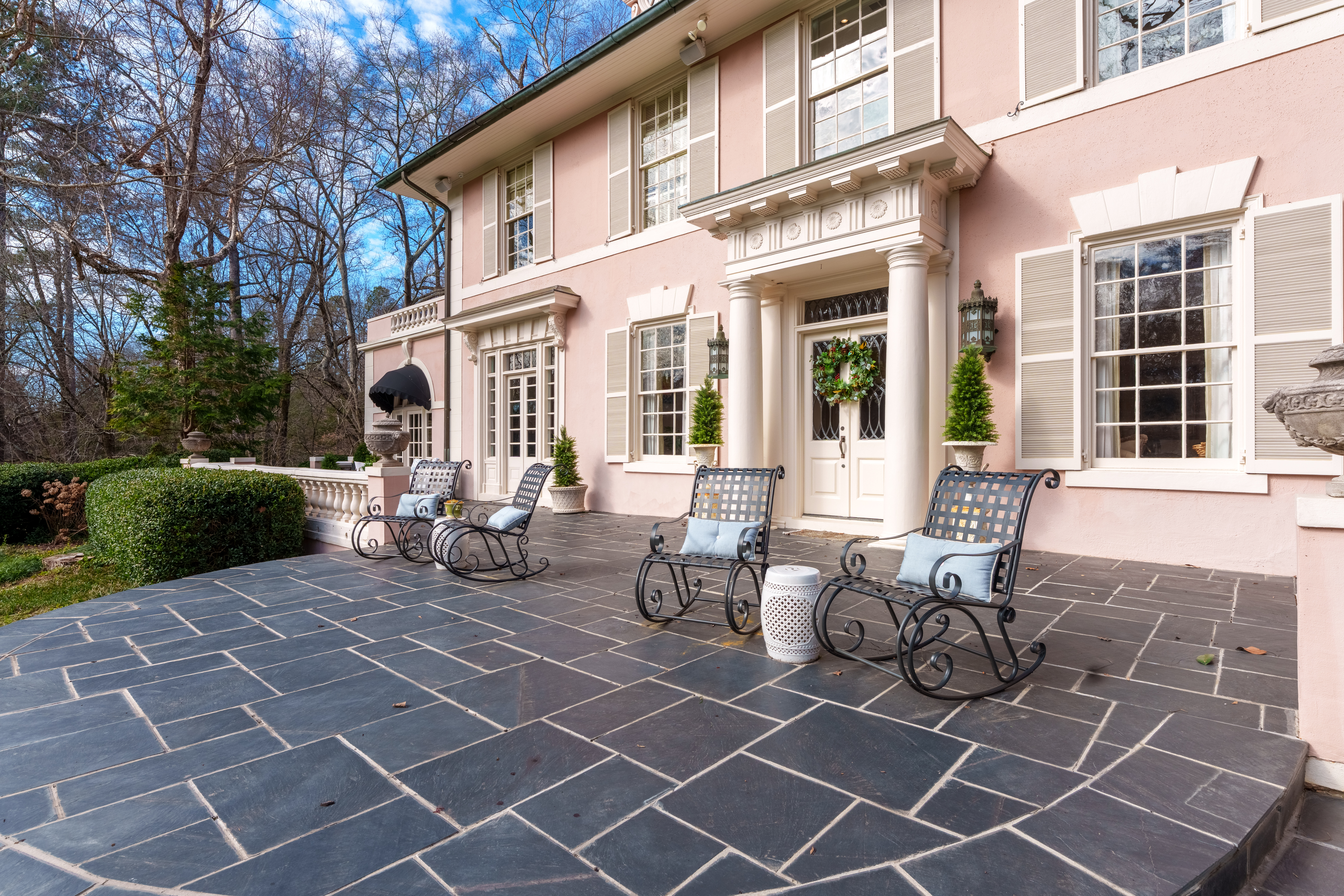
The property was built for William Wallace Austell, known to generations of family as “Uncle Willy,” heir to the Atlanta National Bank fortune his father established in 1865. When Austell chose this hilltop site, he was among the first of Atlanta’s elite to venture north from the downtown neighborhoods, pioneering the great migration to Buckhead that would reshape the city. The street that bears his name—Austell Way—likely served as the estate’s original tree-lined approach.
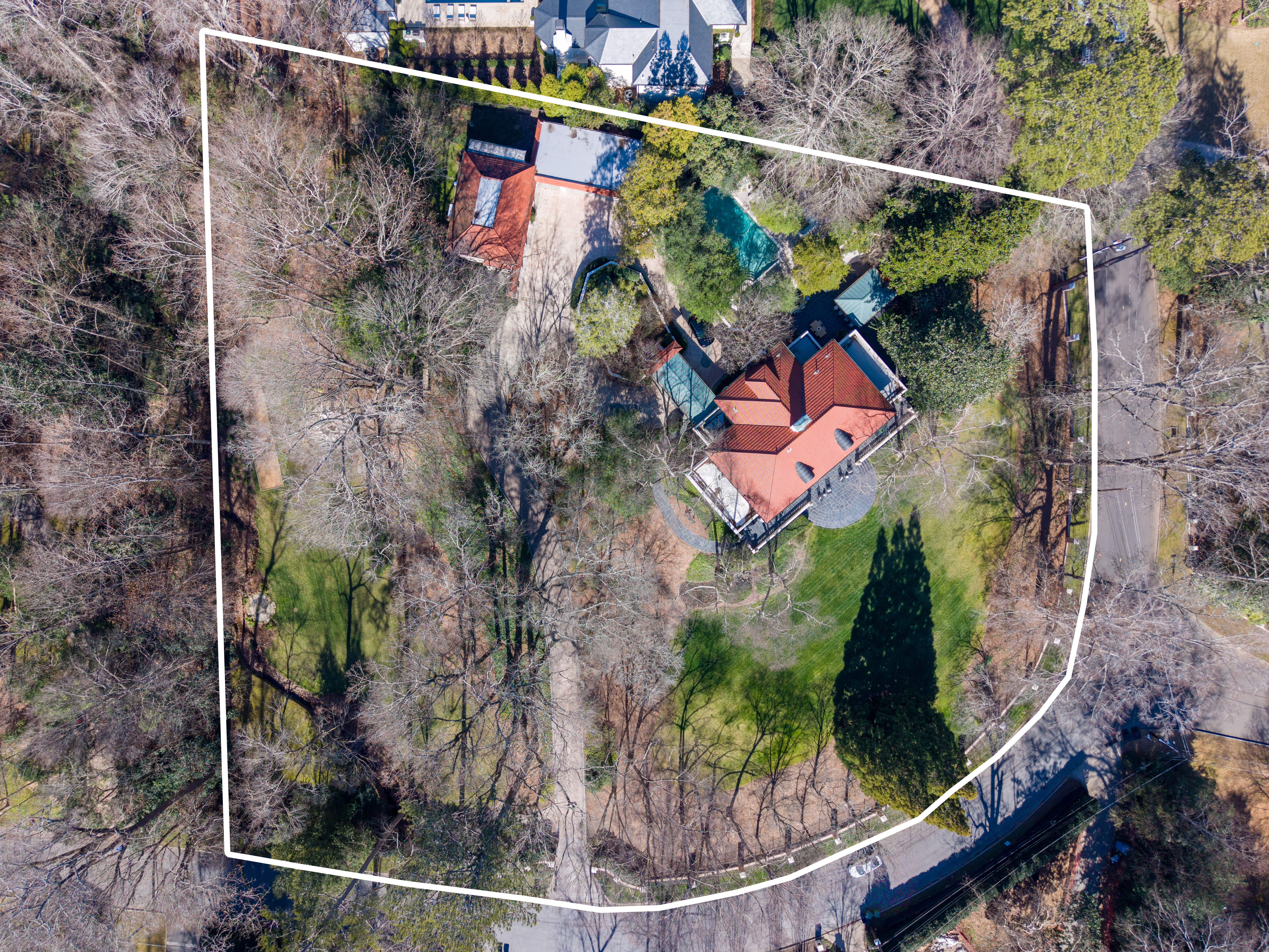
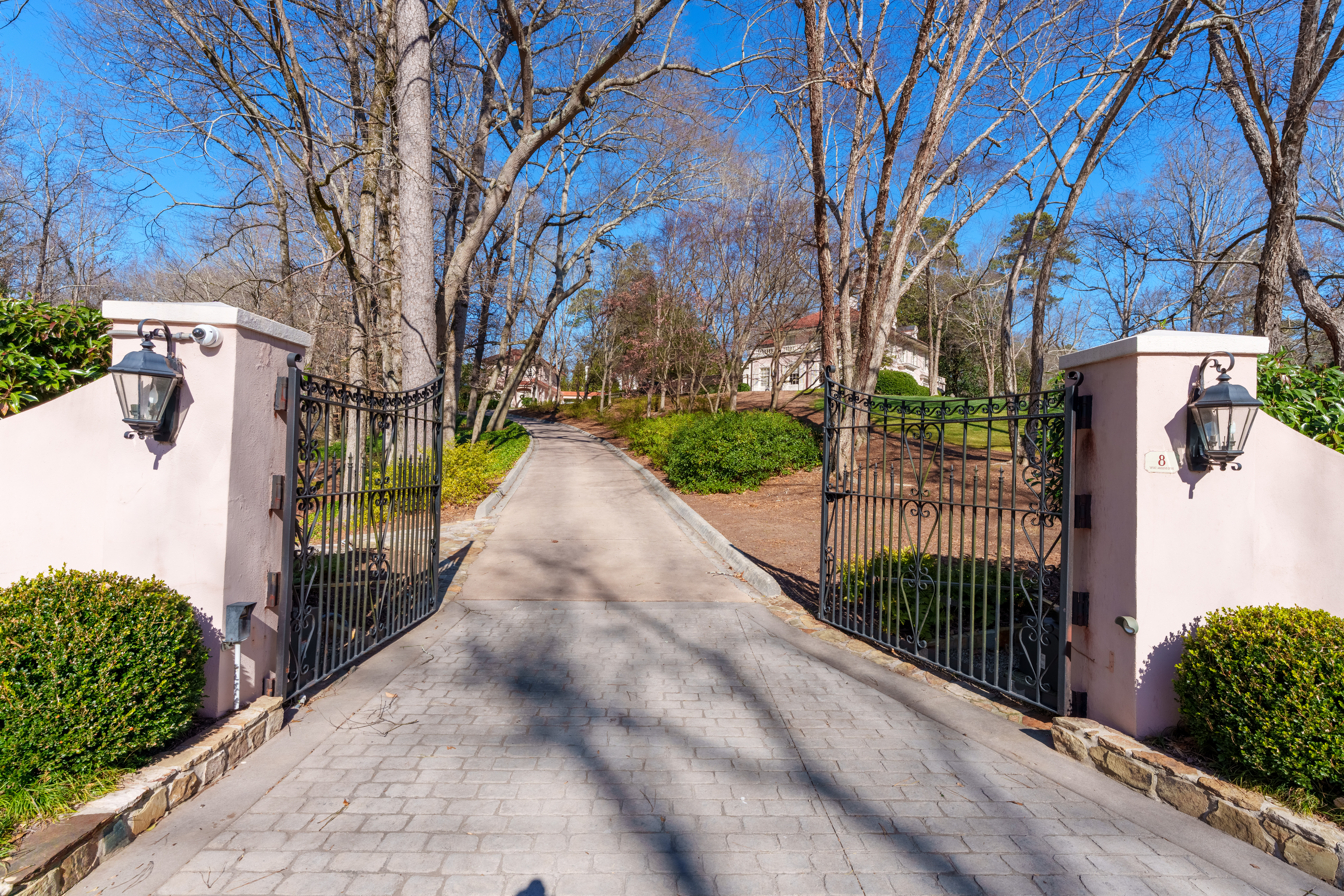
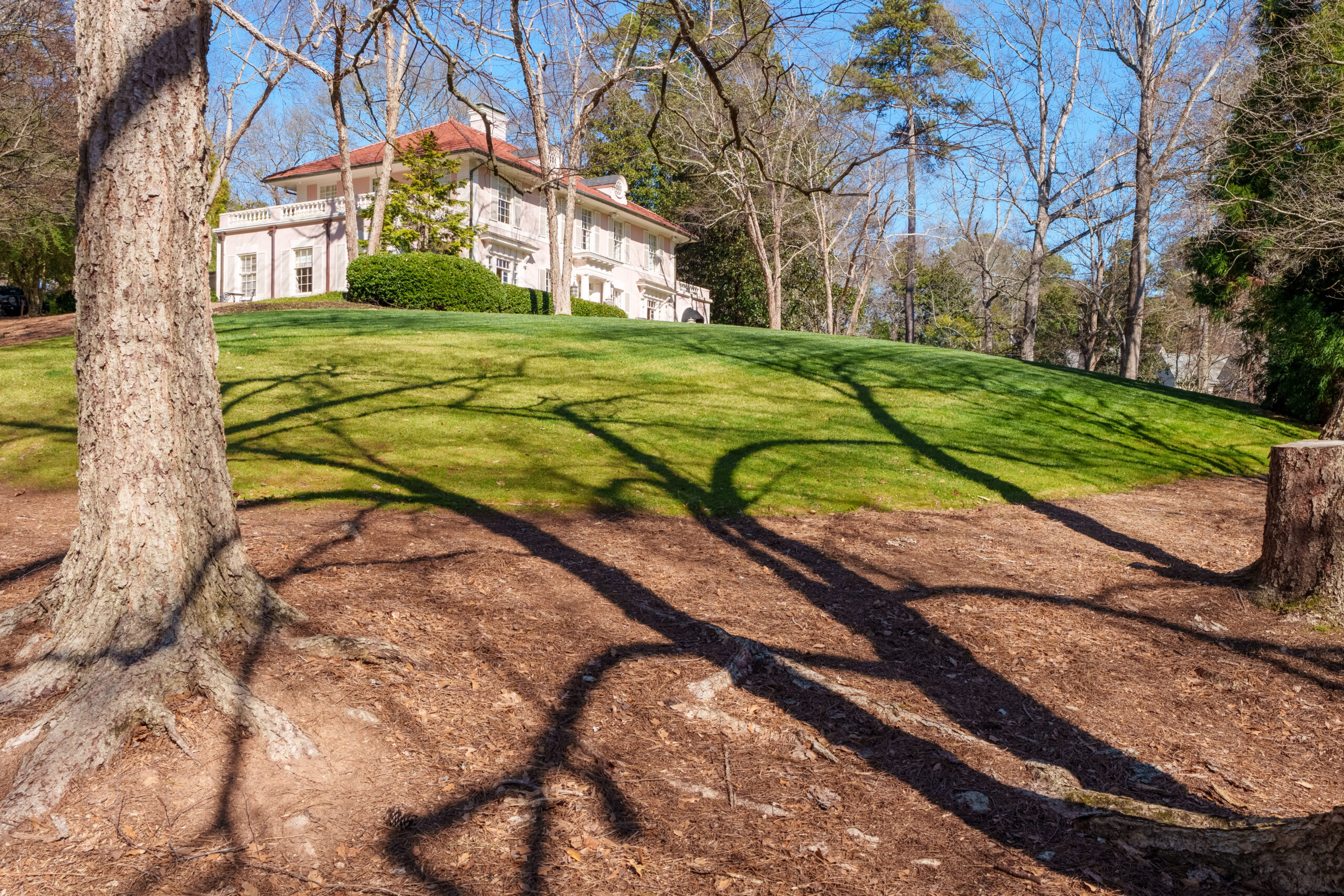

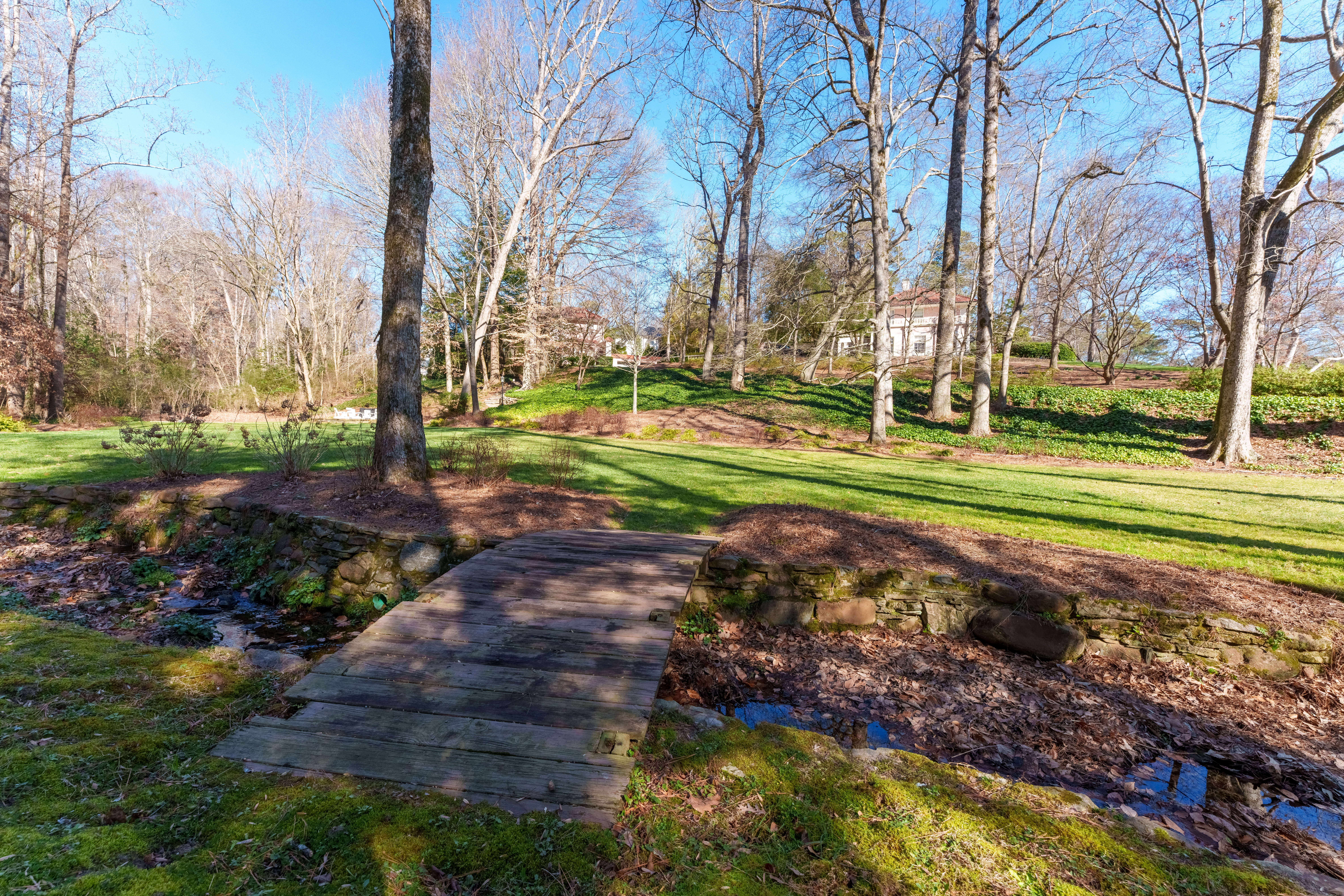

The 2.88 acre lot feels remarkably generous and park-like. The home sits on a natural promontory, elevated and set back from the road, surrounded by mature hardwoods and the kind of deep quiet that has become increasingly rare in the heart of Buckhead. The landscape itself was shaped by Frank Stone Tainter, the engineer who had previously collaborated with Carrère & Hastings on the great country estates of New Jersey. His work here—the grading, the siting, the way the house commands its hill—remains intact, a foundation that any future garden could only enhance.
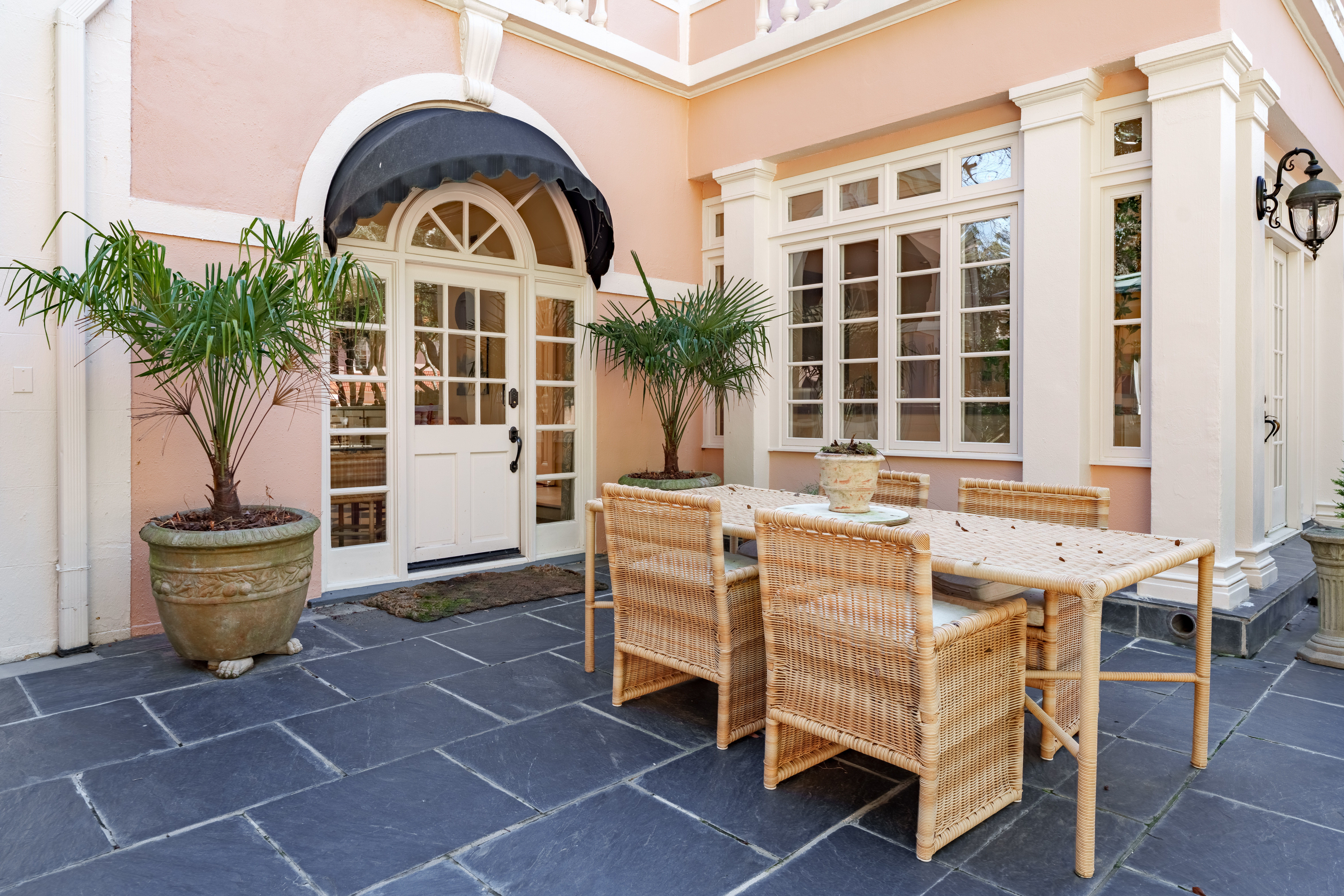

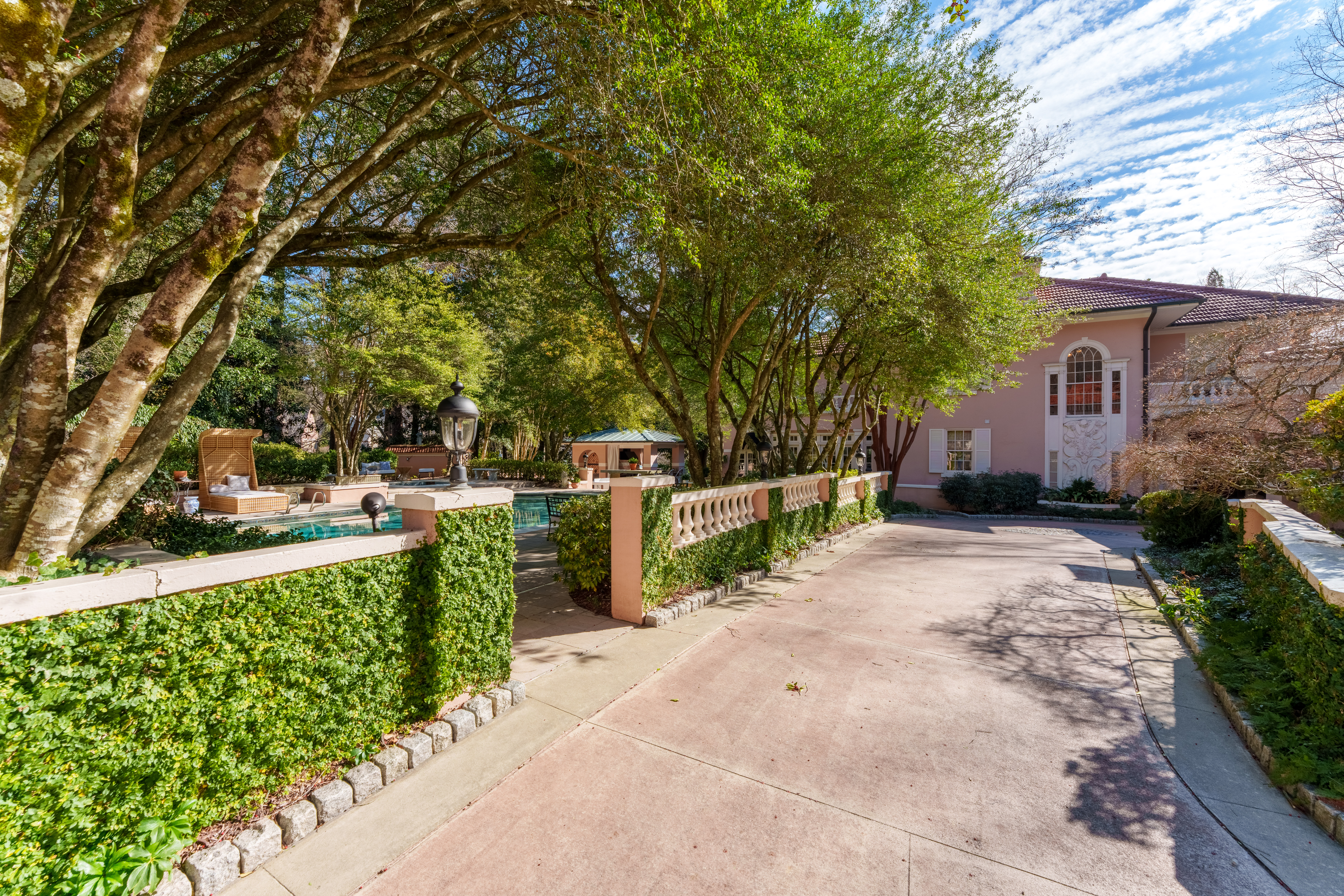
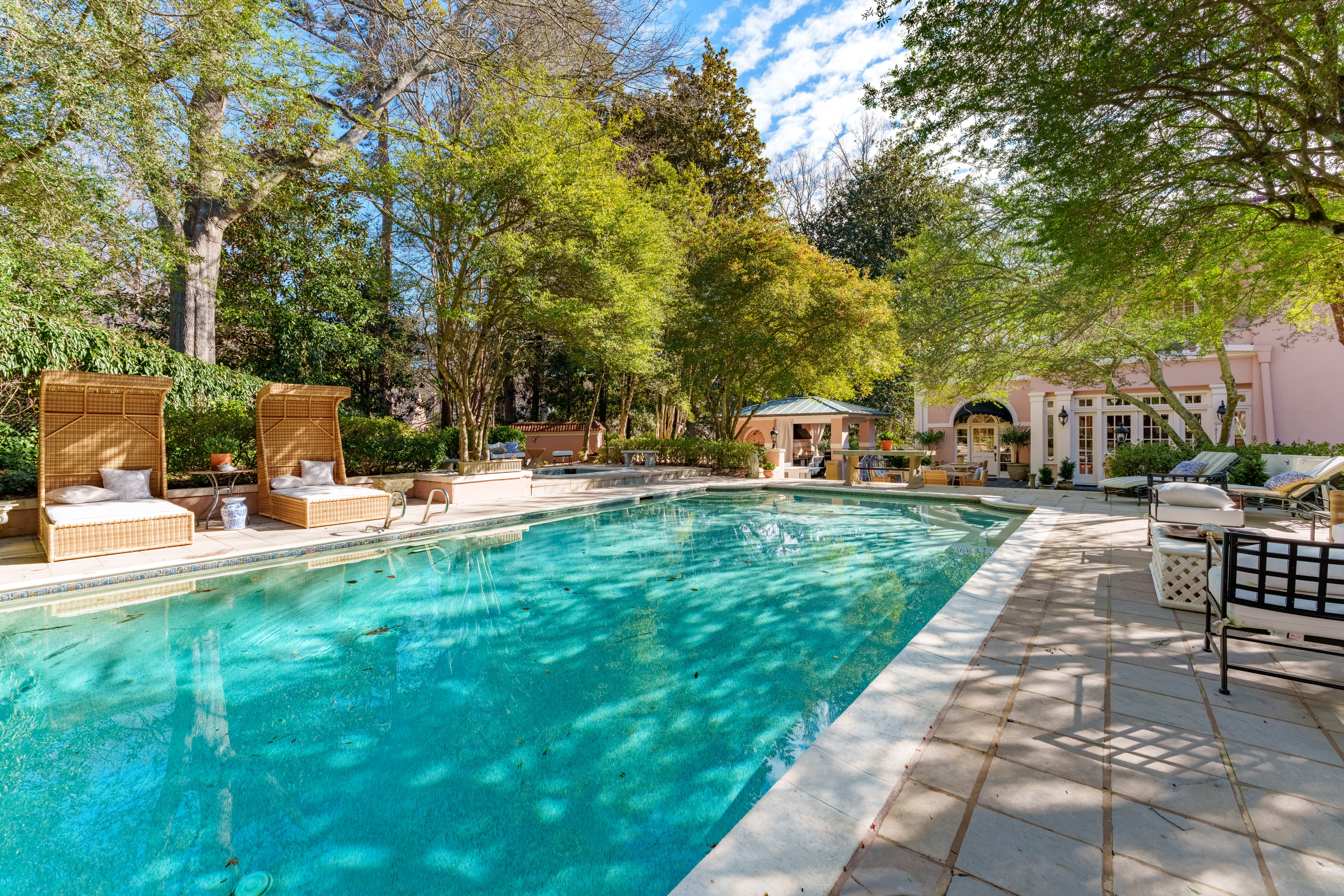
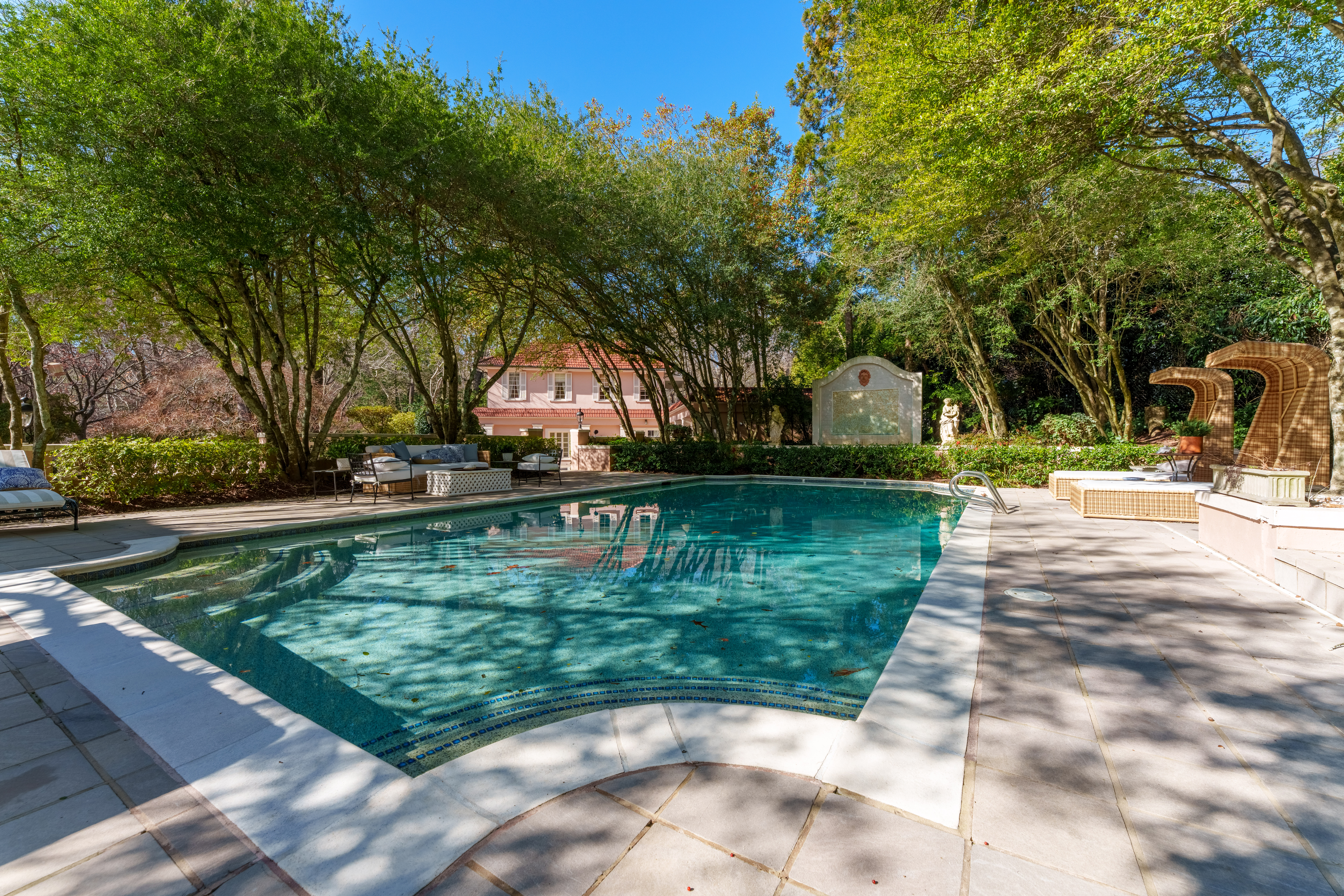
At over 7,200 square feet, the residence offers the gracious proportions and classic bones that define homes of this era. The architecture reflects Thomas Hastings’ refined academic classicism: stucco exteriors, Mediterranean massing, and a sensitivity to the relationship between structure and landscape that was the firm’s signature.
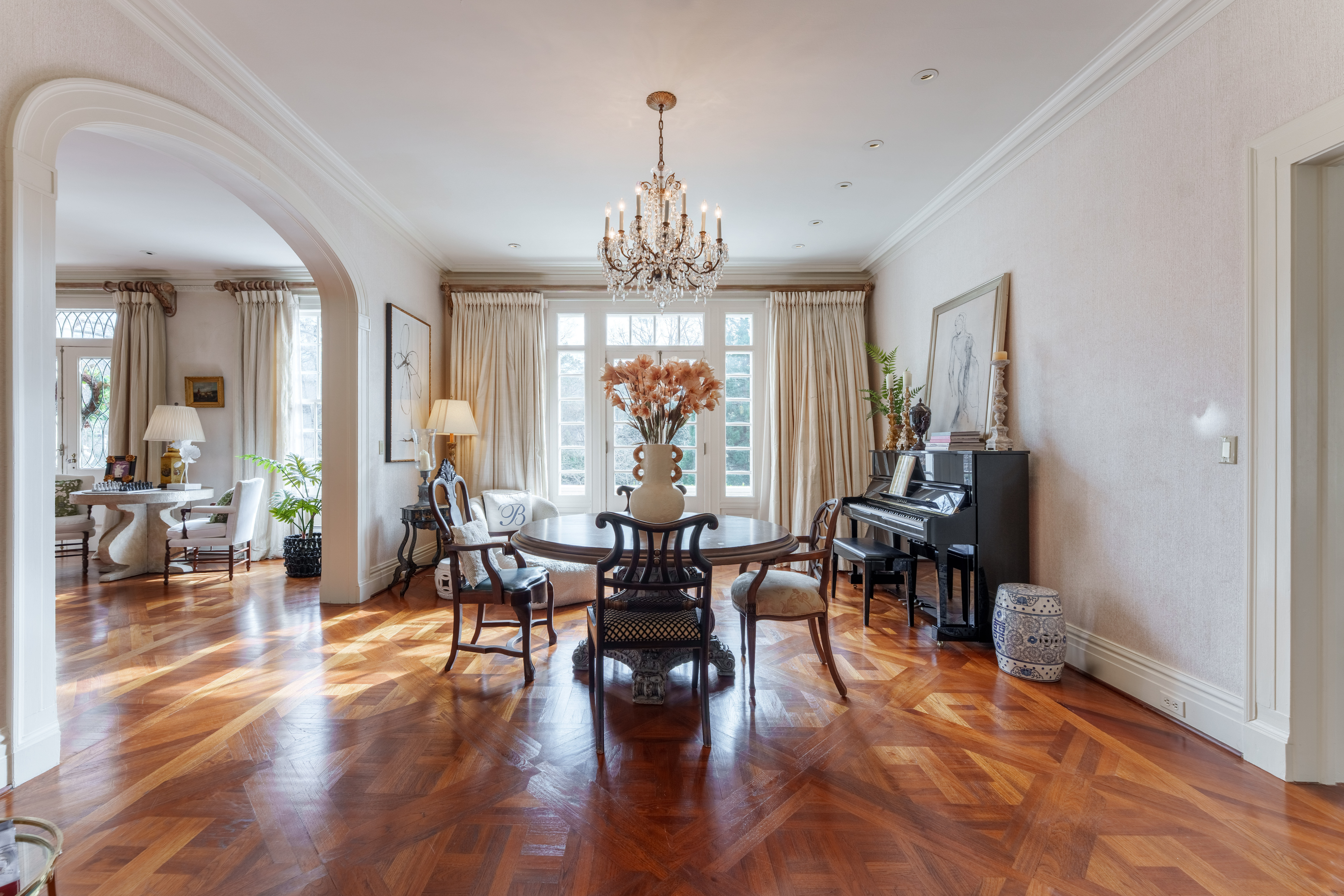
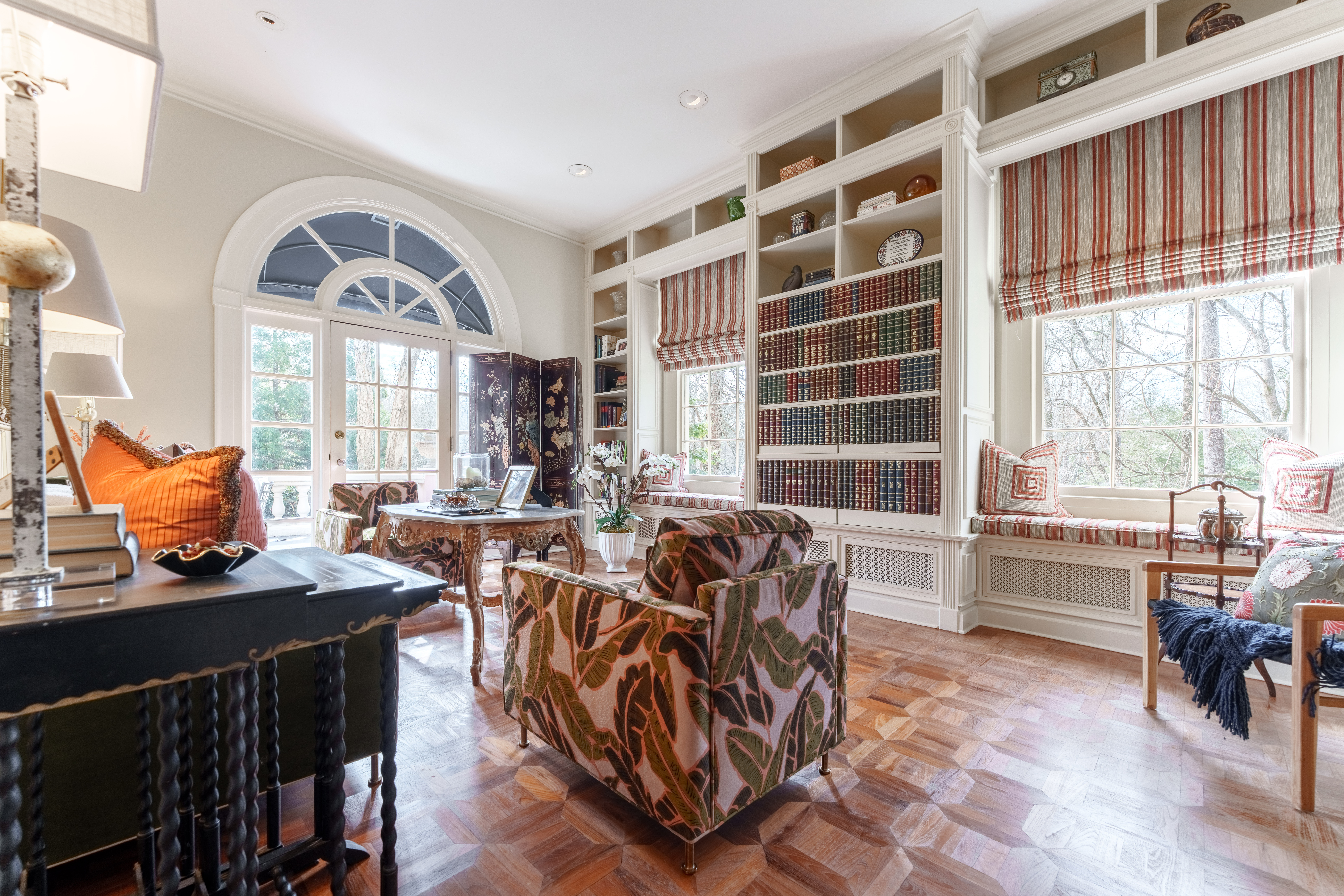
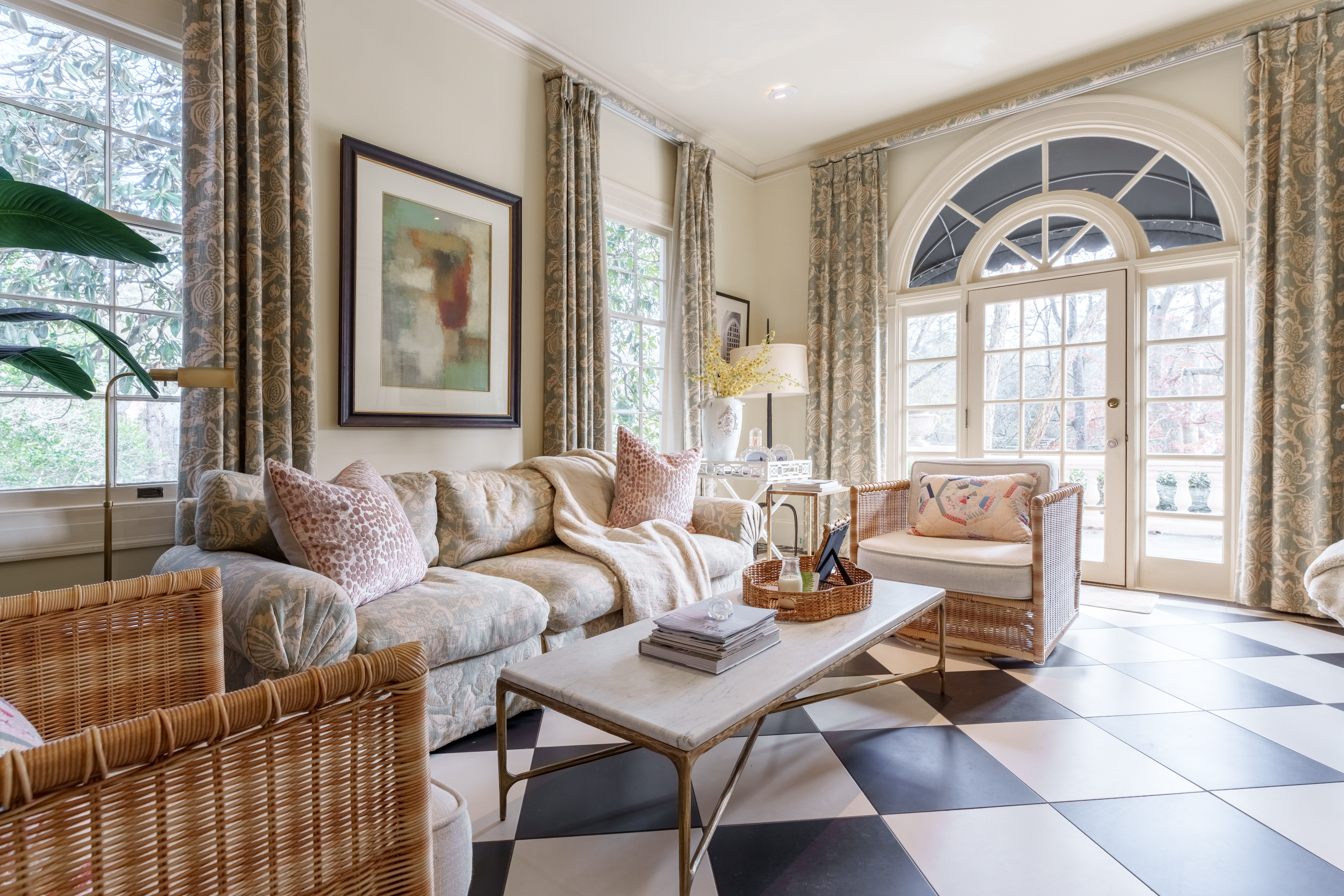
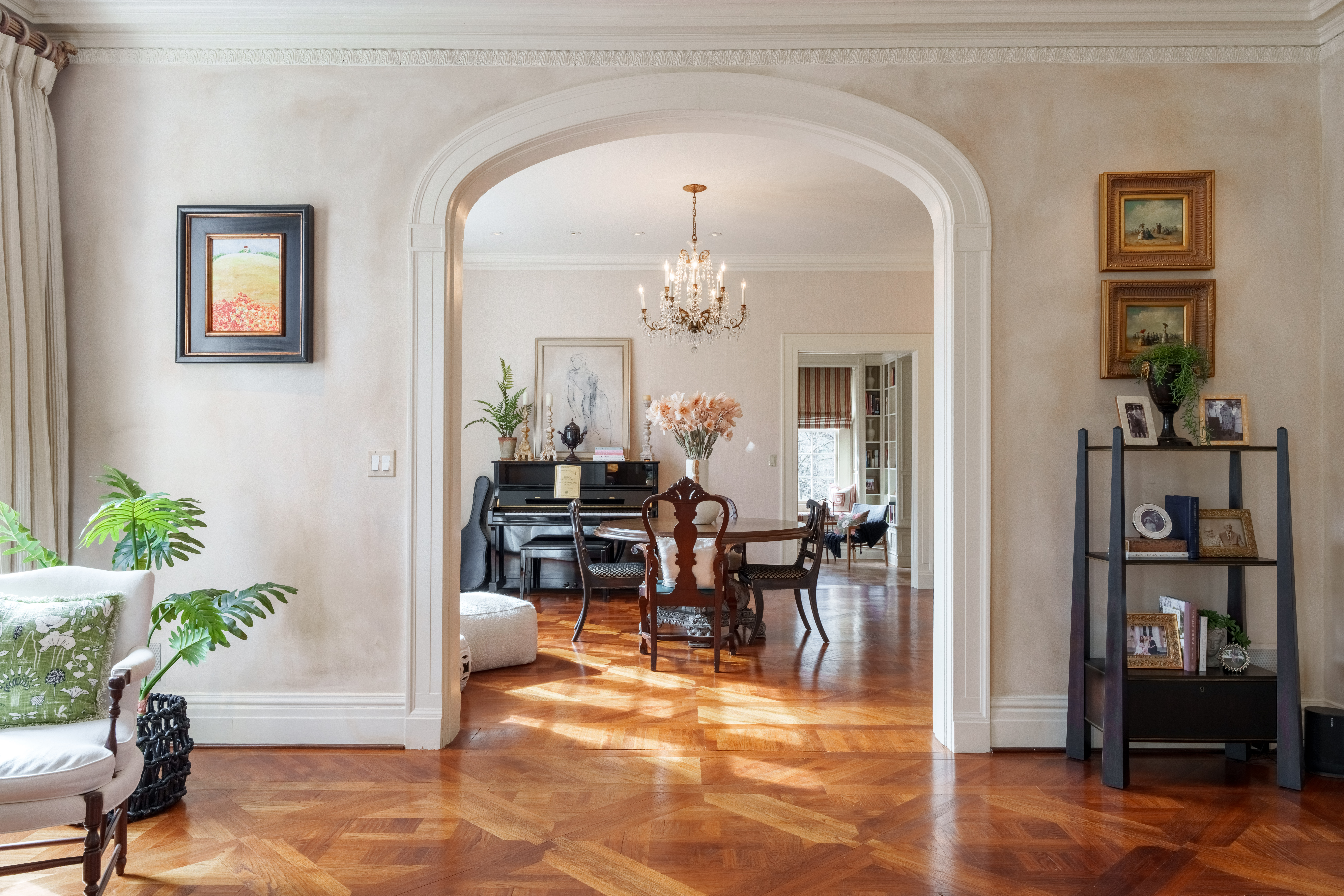
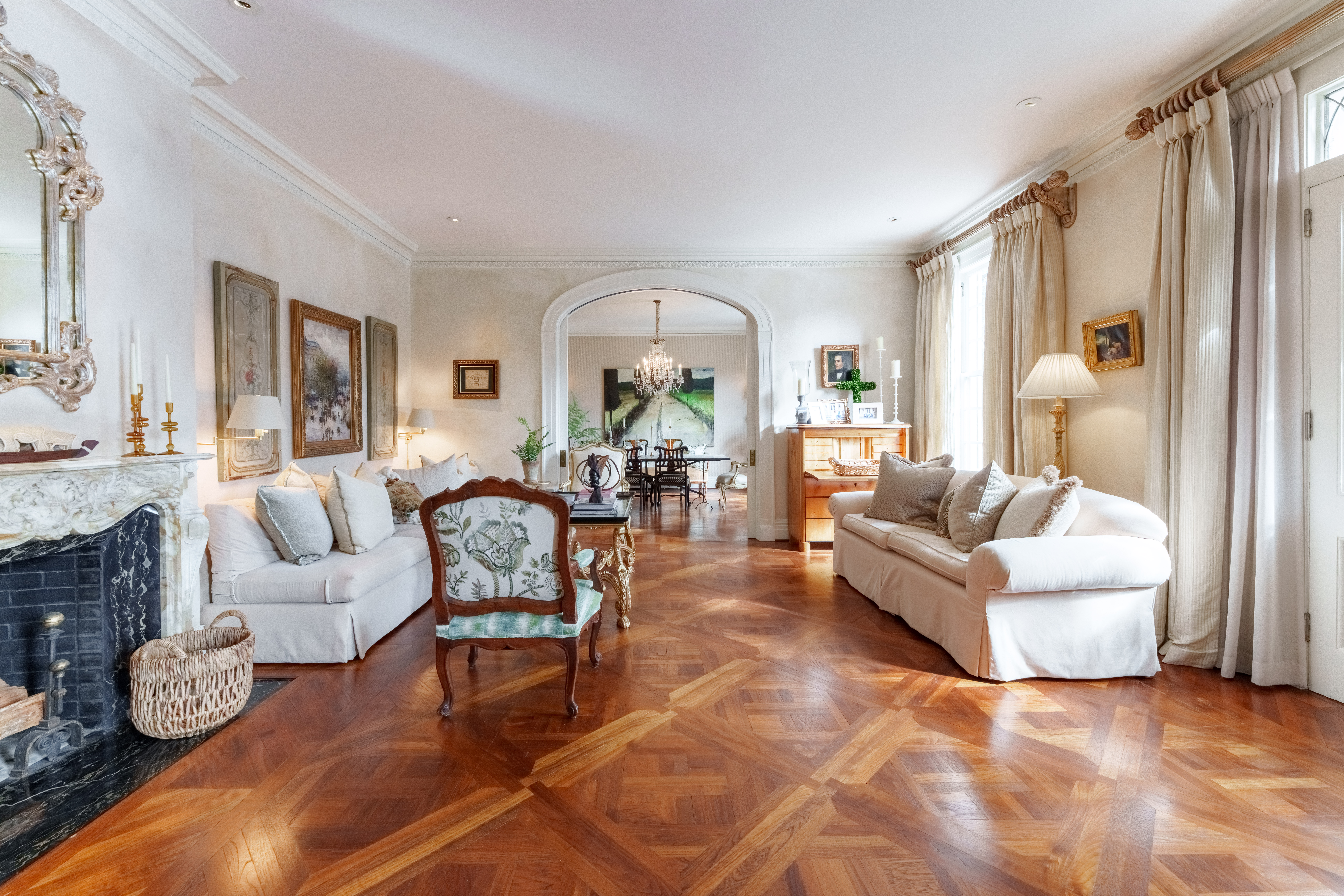
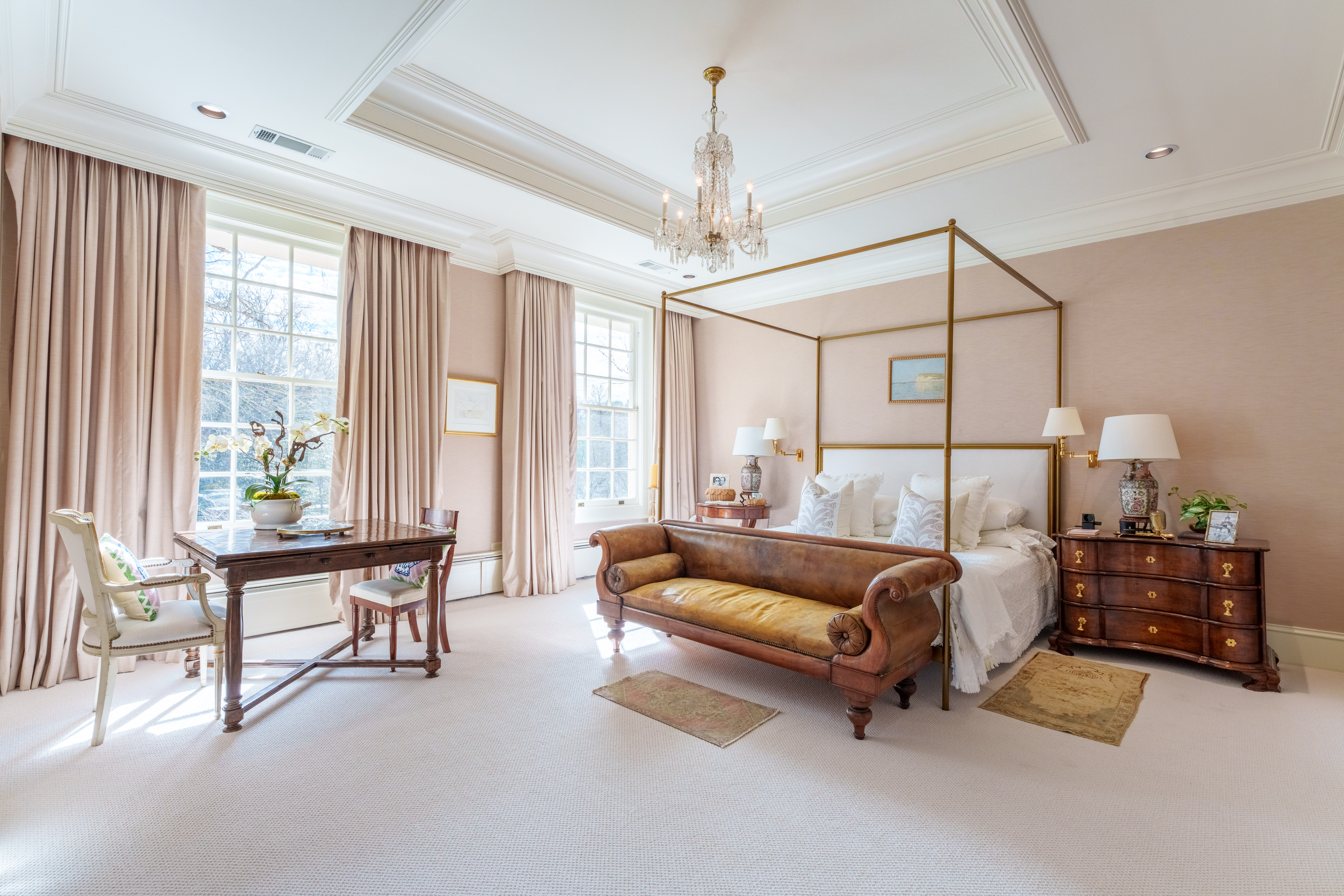
Now, a vision for the estate’s next chapter has already taken shape. Stan Dixon, the nineteen-time Philip Trammell Shutze Award-winning architect celebrated for his edited approach to classical design, has collaborated with acclaimed landscape architect John Howard of Howard Design Studio on renovation and expansion plans that honor the home’s extraordinary provenance while embracing the way families live today. Dixon’s work—recognized three times as Southeast Architect of the Year and lauded in his Rizzoli monograph Home—bridges historical authenticity with modern sensibility, precisely the balance a residence of this significance demands.
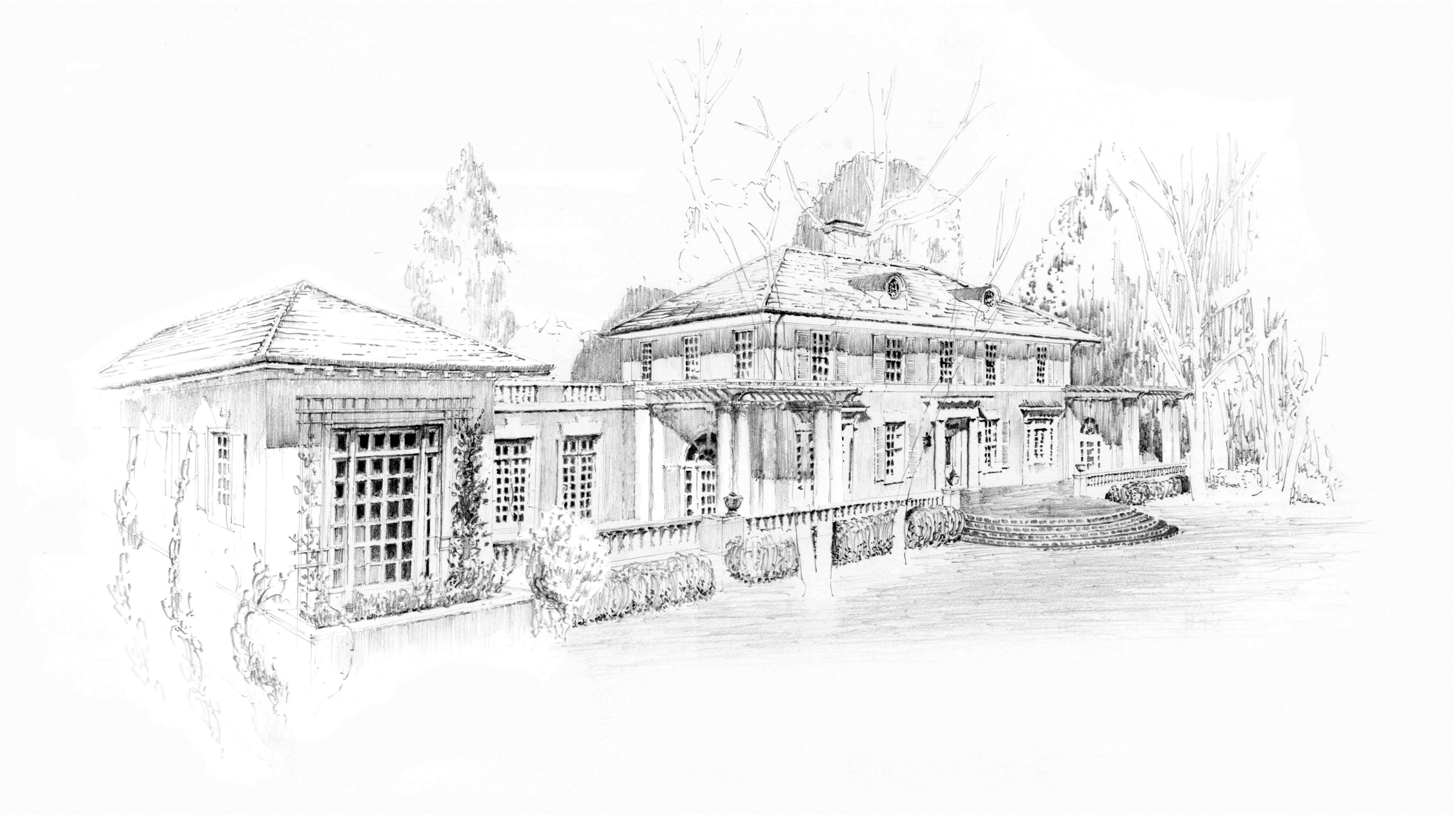
Howard, a multiple Shutze Award recipient himself known for sophisticated gardens that feel both timeless and inevitable, brings an equally refined hand to the grounds. Together, they have charted a path forward: a complete restoration that elevates the Austell Estate to a standard equal to—or exceeding—its original grandeur.
Yet for all its significance, the Austell Estate is no museum piece isolated from daily life. The location delivers something unexpected: true serenity within walking distance of everything that makes Buckhead desirable. The Atlanta History Center’s 33 acres of gardens and woodland trails begin just a block away. Buckhead Village, with its restaurants and shops, is a short stroll away. Morning coffee at Brash or a quick lunch at Souper Jenny requires no car at all. This is the rare property where historic gravitas and modern convenience exist in easy balance.