
In its centennial year, the Atlanta History Center is unveiling its most ambitious exhibit to date, “More Perfect Union: The American Civil War Era.” A second exhibit, “Hard Hand of War: Soldiers, Weapons, and Mass Production,” will open this winter. Thanks to a $16 million investment and decades of research and collection development, the newest exhibit will open to the public on July 10.
The latest exhibit is an expansive, nuanced retelling of the history of the American Civil War and Reconstruction–and a deep dive into American identity.
“This exhibition reflects Atlanta History Center’s commitment to presenting history in an evidence-based way,” said Sheffield Hale, president and CEO of Atlanta History Center. “Rather than offering a simplified narrative, “More Perfect Union” uses Atlanta History Center’s extensive collection to put the story of the Civil War era into the words of the people who lived through it, across many different experiences and perspectives. Our goal is to create space for learning, reflection, and a deep understanding of how this period shaped the nation.”
The immersive, multimedia exhibit is in the newly renovated DuBose Gallery, one of the first spaces visitors encounter after walking through the atrium. The exhibit is not just a dull rendition of history, but rather an evocative, engaging experience chock-full of authentic artifacts. One of the highlights of the exhibition is Frederick Douglass’ landmark speech, “What to the Slave Is the Fourth of July?” narrated by an actor overhead.
Deep into the exhibit are interactive digital maps, narrated letters from Confederate and Union soldiers, photographs, political cartoons and pamphlets that showcase the deep ideological division among Americans during the Civil War.
“Some of the most powerful moments in “More Perfect Union” come through deeply personal items and firsthand accounts,” said Pola Changnon, chief content officer at Atlanta History Center. “We want “More Perfect Union” to be an experience that feels immersive and emotionally resonant while remaining grounded in historical evidence.”
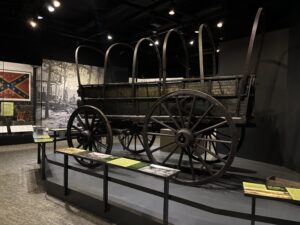
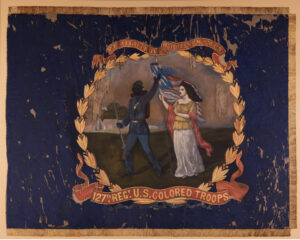
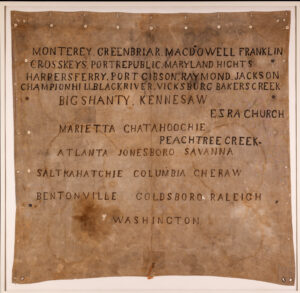
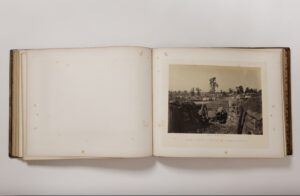
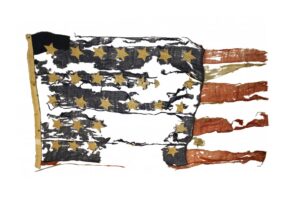
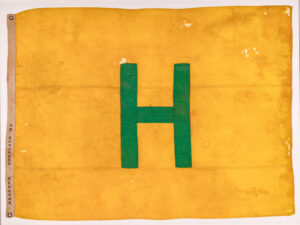
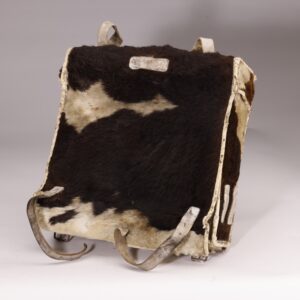
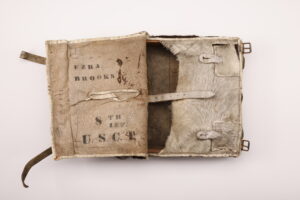
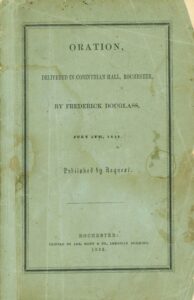
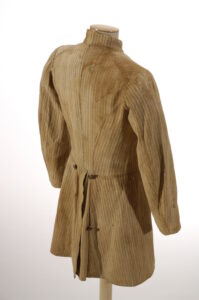
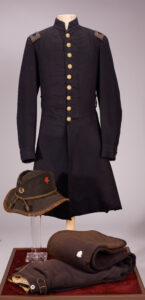

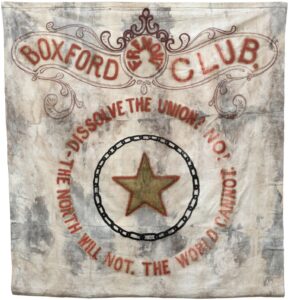
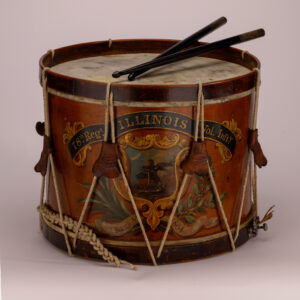
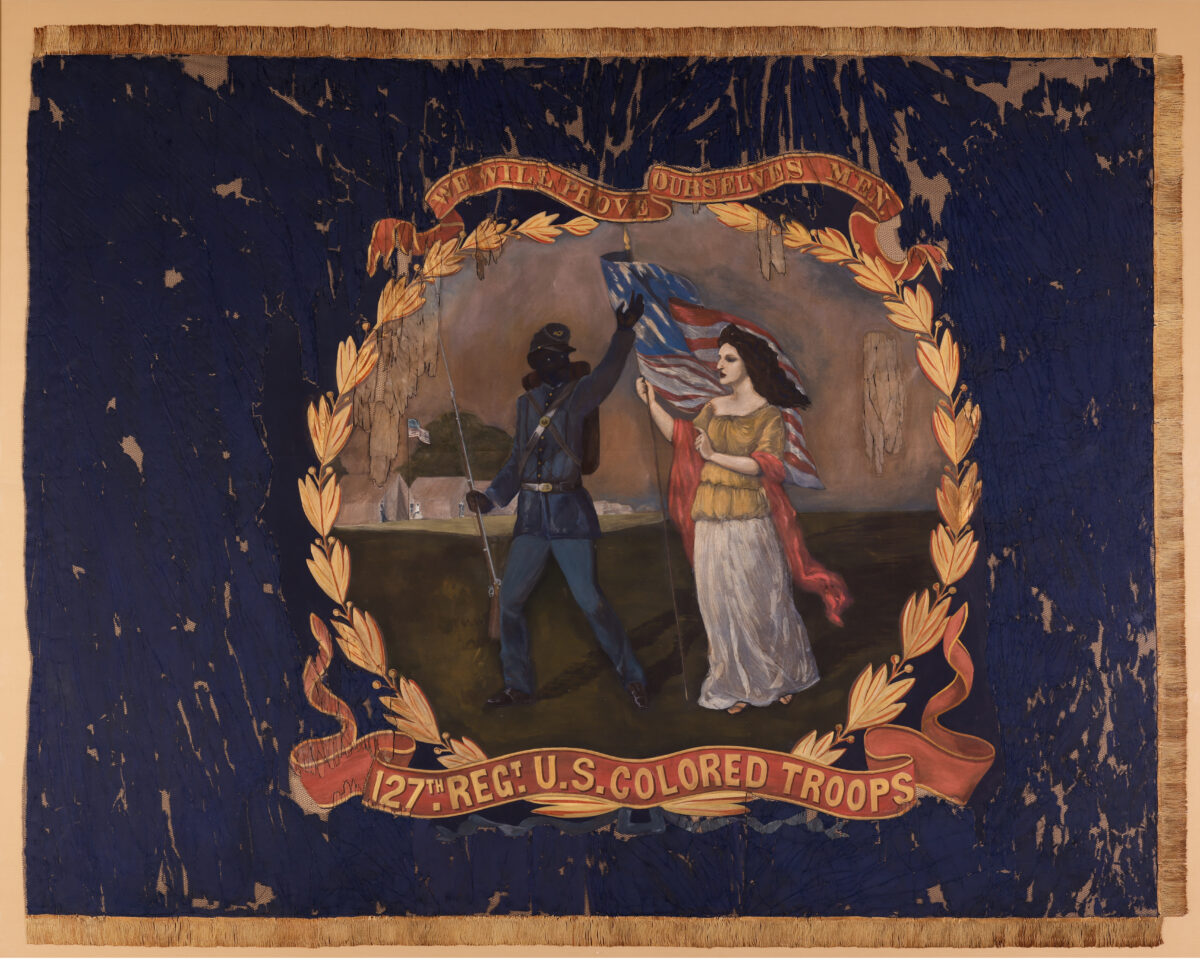
Additional historic artifacts include the Confederate flag that flew over Atlanta during the city’s surrender, a personal copy of Photographic Views of Sherman’s Campaign, the battle flag of the 127th U.S. Colored Troops bearing the words “We Will Prove Ourselves Men,” and even a wagon that traveled down West Paces Ferry Road during the war.
“When Turning Point” opened in 1996, it represented an important step forward in how museums interpreted the Civil War,” said Gordon Jones, senior military historian and the lead curator of “More Perfect Union.” “But over the past 30 years, we’re now in a completely different world. It’s not just the evolution of our scholarship and collections, but we also have a new audience that is looking to understand how we got to our present moment. And to understand American history, you really have to understand the American Civil War.”
Atlanta—and Buckhead in particular—was the stage for pivotal Civil War battles that decided the fate of the nation. It is often difficult to reconcile the violence of those historic clashes with the familiar streets we call home today. Through these newly expanded exhibits, the Atlanta History Center vividly brings this history to life, offering a profound opportunity for visitors to engage with and learn from our collective past.