
The $64 million adaptive reuse of the historic Bobby Jones Clubhouse, anchored by a $27.5 million gift from the Arthur M. Blank Family Foundation, will create a performing arts campus overlooking the Beltline and Bobby Jones Golf Course. Construction begins this month with an opening targeted for fall 2027.
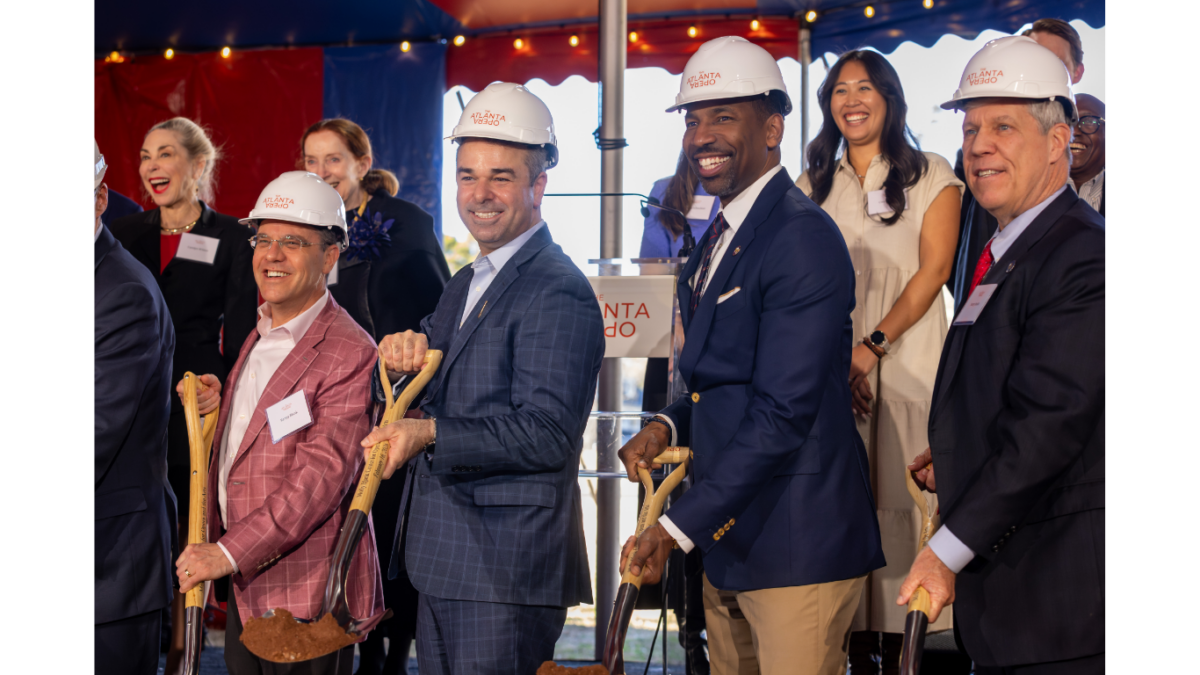
The Atlanta Opera set up its famous red-and-blue circus tent one more time on Monday afternoon — not on a baseball diamond or in a parking lot, as it did during the pandemic, but on the lawn of its future home at the historic Bobby Jones Golf Course Clubhouse in Buckhead’s Atlanta Memorial Park. Under warm skies and before an invitation-only crowd, the company broke ground on the Molly Blank Center for Opera and the Arts, a $64 million project that will give one of America’s fastest-growing opera companies its first permanent headquarters.
The ceremonial shovels turned by Mayor Andre Dickens, General and Artistic Director Tomer Zvulun, board chair John Haupert, and members of the Blank family marked the start of construction on an adaptive reuse project that will transform the 1941 Grecian Revival clubhouse — built by the Works Progress Administration and long associated with legendary golfer Bobby Jones — into a modern, community-oriented performing arts campus spanning 4.7 acres along the Beltline’s Northwest Connector Trail.
When it opens, the Molly Blank Center will become the first headquarters of an arts organization on the Beltline’s 22-mile loop, a distinction that Zvulun and city leaders say positions Atlanta as a more vibrant cultural destination. The Opera will lease the property from the State of Georgia for 50 years and will also use City of Atlanta land for expanded parking and Beltline access.
For Zvulun, who has led the Atlanta Opera since 2013 and transformed it into a nationally recognized company, the new center is the physical embodiment of the organization’s creative philosophy.
“The Atlanta Opera’s new home at the Bobby Jones Clubhouse is a vivid expression of our mission, which is to break the boundaries of opera and redefine what this art form means for the 21st century,” Zvulun said during the ceremony. “This center is built for that kind of artistic collision — a performing arts campus in the forest where the line between opera house, cinema, rehearsal studio, classroom, and park begins to dissolve.”
Calling the groundbreaking “the second inflection point” in the company’s history — the first being its decision to keep performing outdoors during the COVID-19 shutdown in 2020 — Zvulun framed the project as the kind of bold institutional move that redefines what’s possible.
The tent erected for Monday’s ceremony was the very one used for those pandemic-era performances at Oglethorpe University, a deliberate callback to the moment that accelerated the Opera’s national profile and helped propel it to “Budget One” status as a top-ten opera company in the United States, with an annual budget now exceeding $15 million.
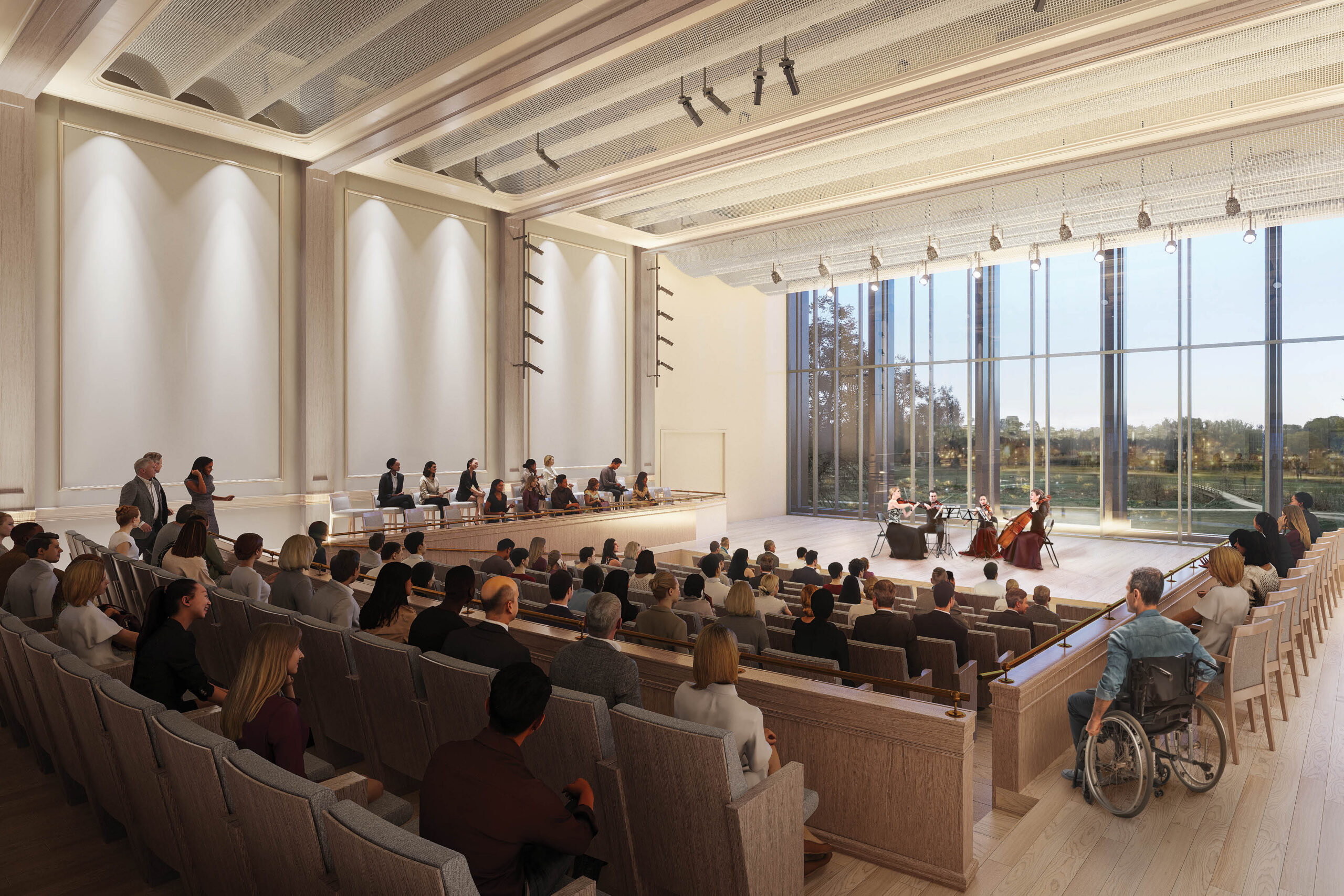
At the heart of the center are two complementary venues. Rosemary Hall is a 200-seat, nature-framed recital hall whose signature feature is a floor-to-ceiling glass wall overlooking the golf course and the Beltline. Designed for acoustic clarity and visual intimacy, it will host recitals, jazz, cabaret, and chamber music. The Opera has partnered with acoustics consultant a’kustiks LLC and Theater Projects to ensure the glass wall does not compromise the sound.
“That huge window will overlook all of the nature surrounding the golf course and Beltline, so not only will the audience enjoy the view, but also people from the trail can look in,” said Micah Fortson, the Atlanta Opera’s managing director. The hall will use two layers of glass and an adjustable curtain system to manage acoustics for different performances.
Adjacent to Rosemary Hall, a 6,000-square-foot immersive theater will serve as what Zvulun described as “a fully transformable environment” — capable of converting from Atlanta’s largest rehearsal hall into a venue for chamber opera, musicals, film screenings, and plays.
“Around these rooms, rehearsal spaces, gathering areas, and classrooms make it possible for artists to work, for students to learn, and for the community to participate every single day,” Zvulun said.
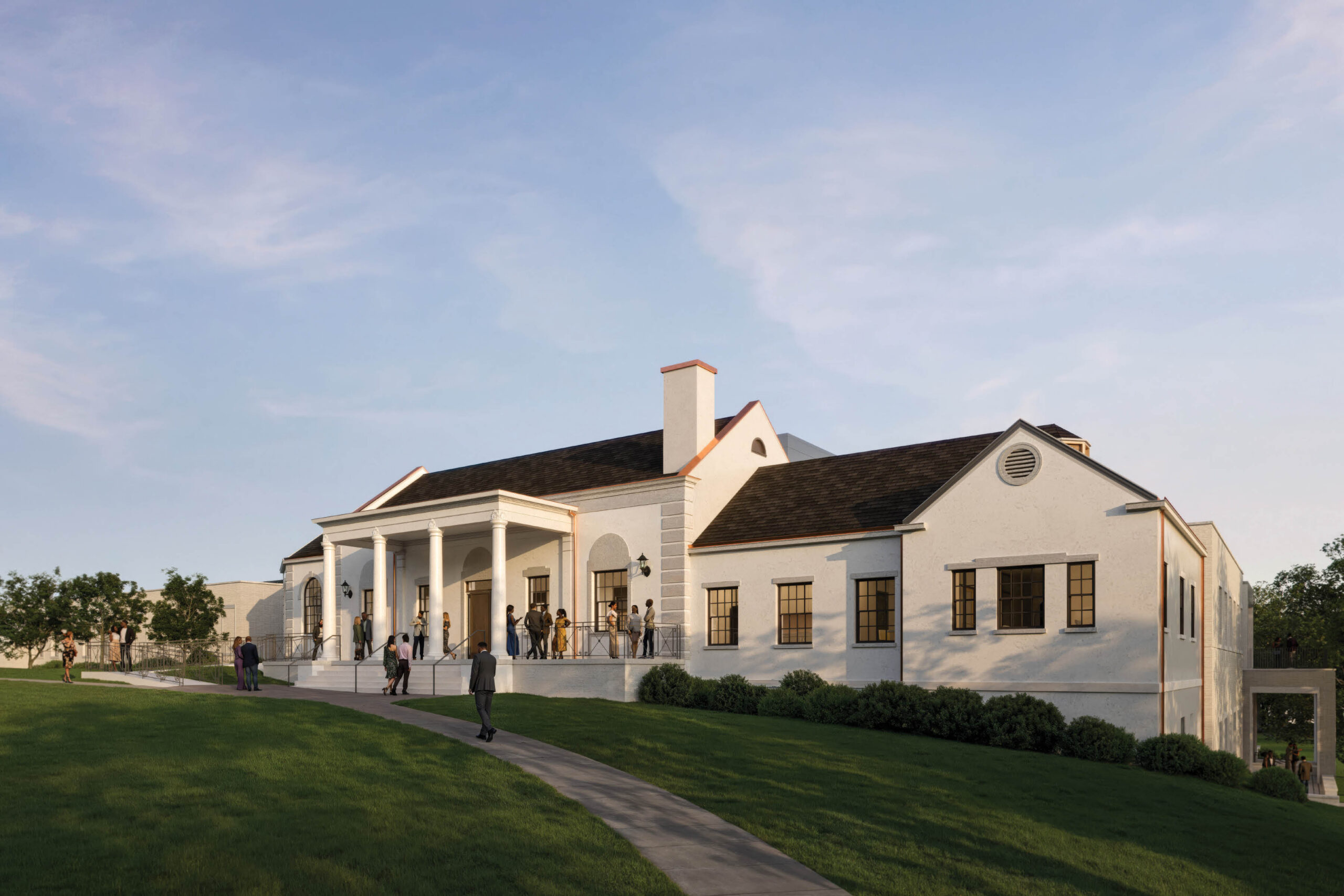
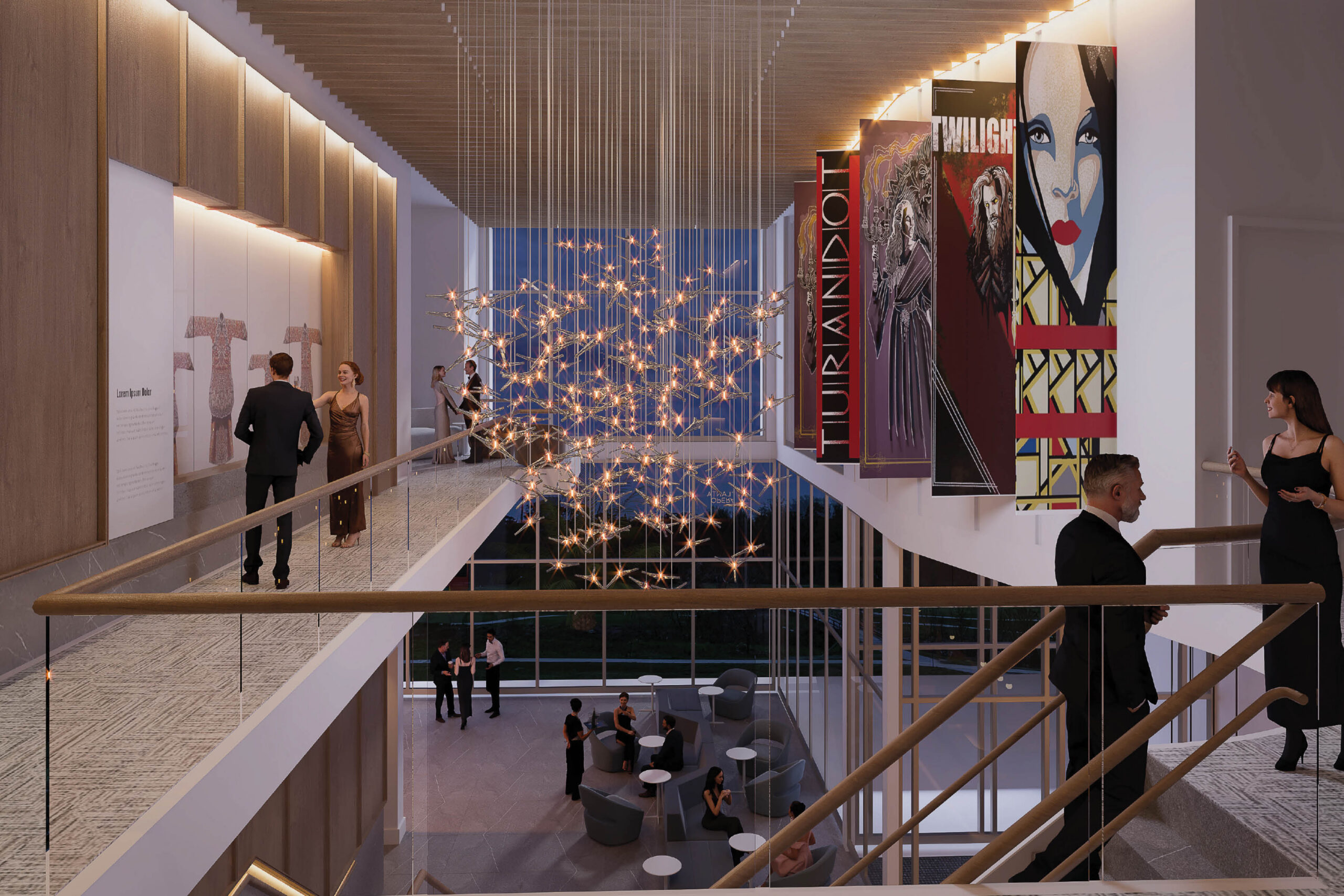
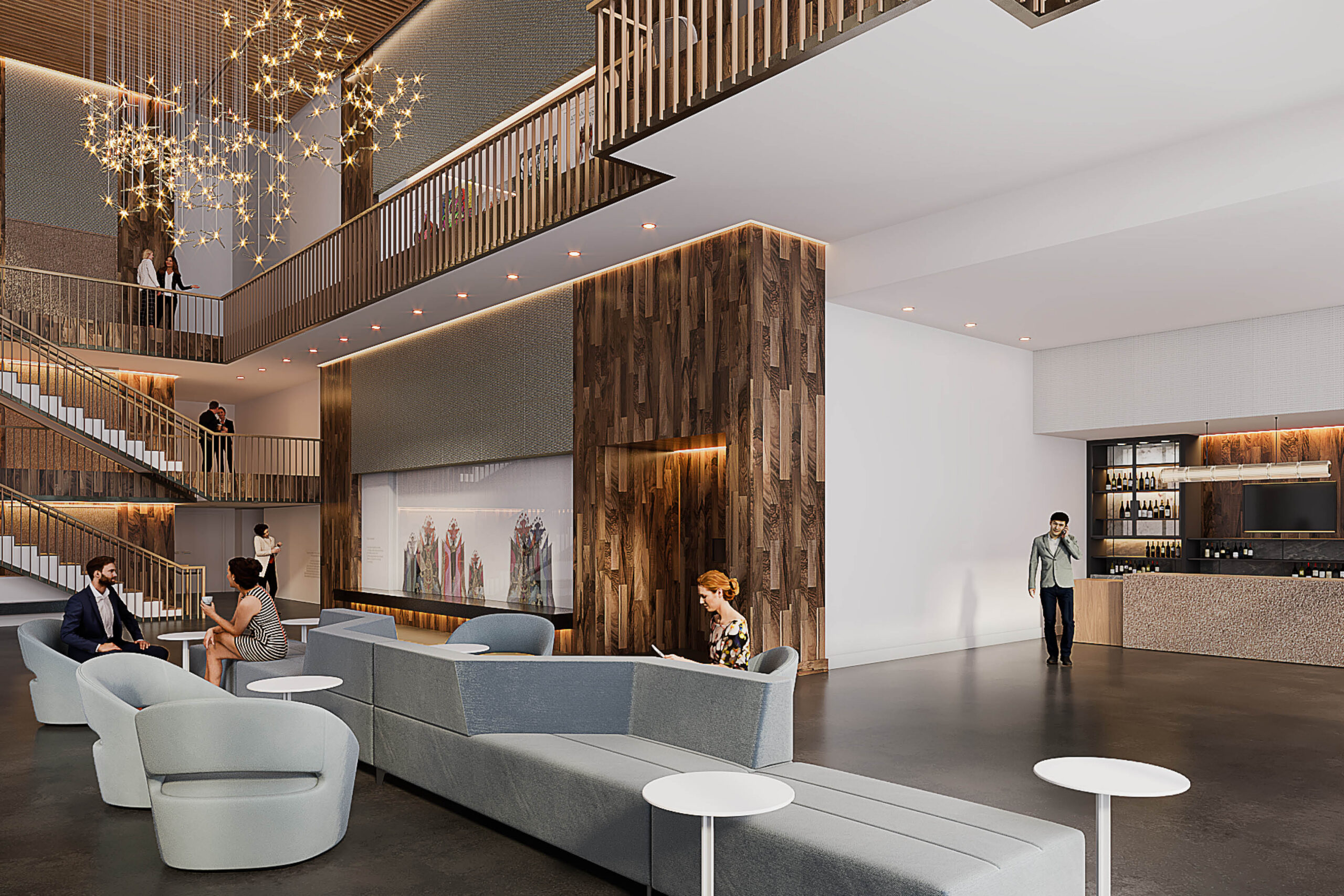
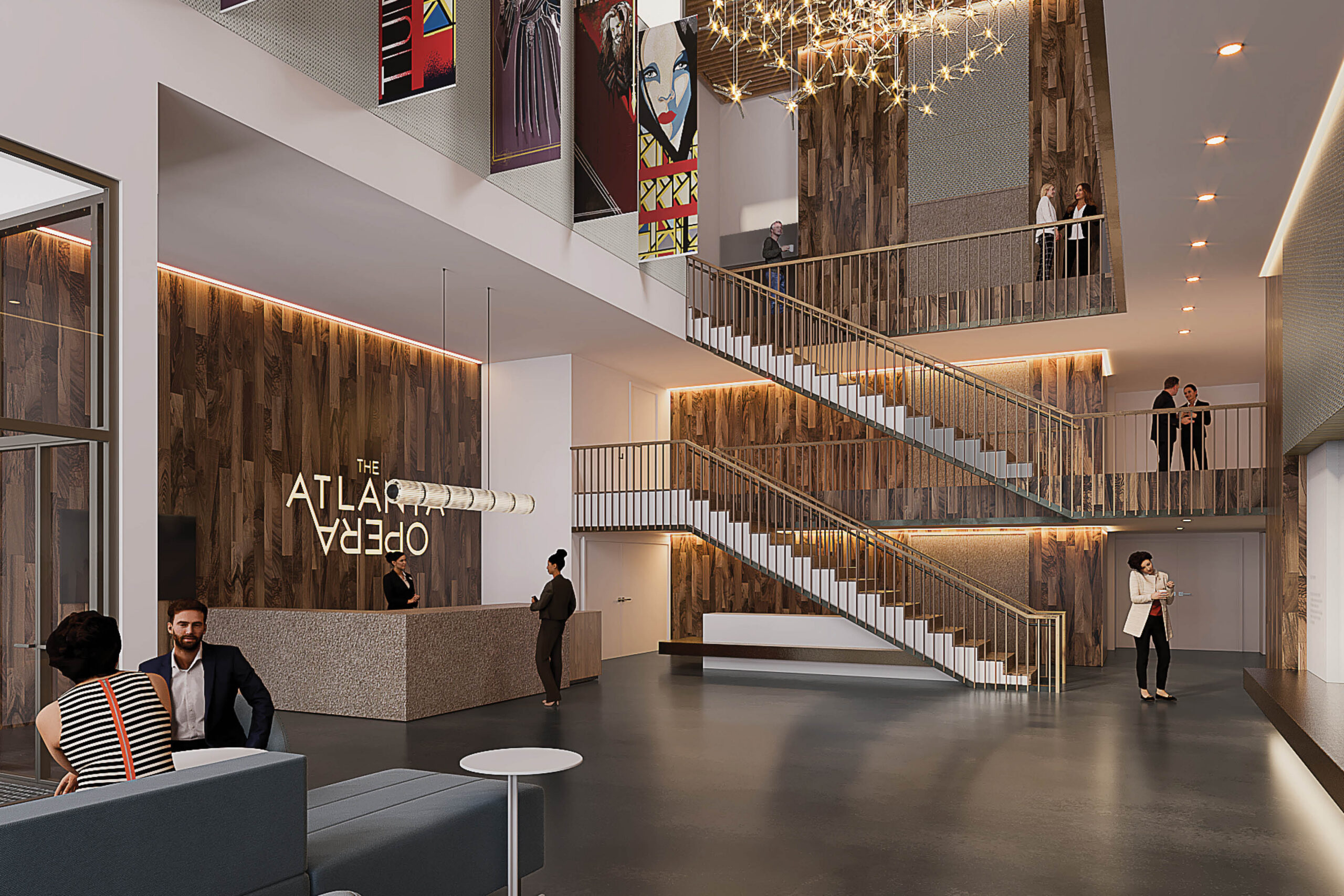
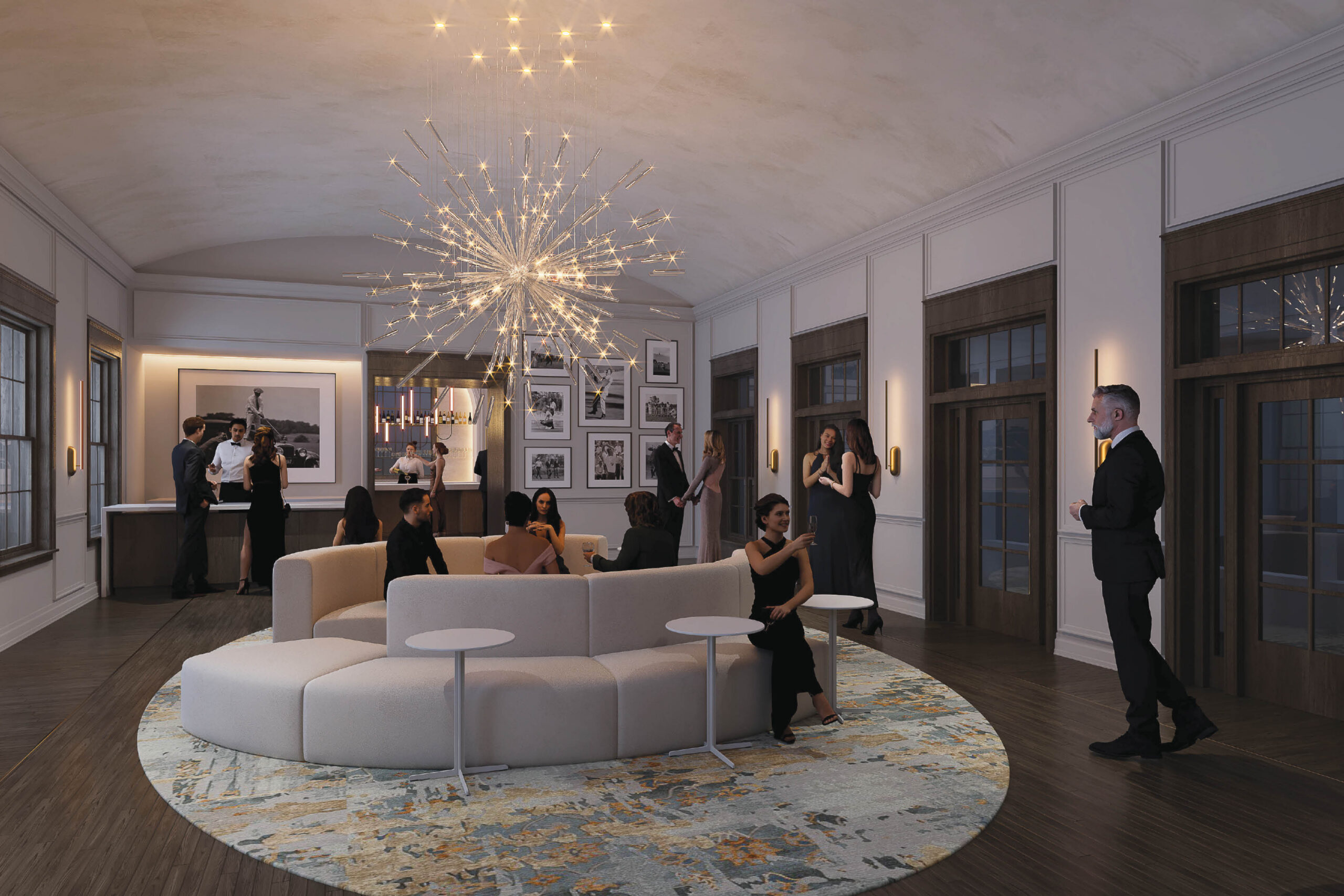

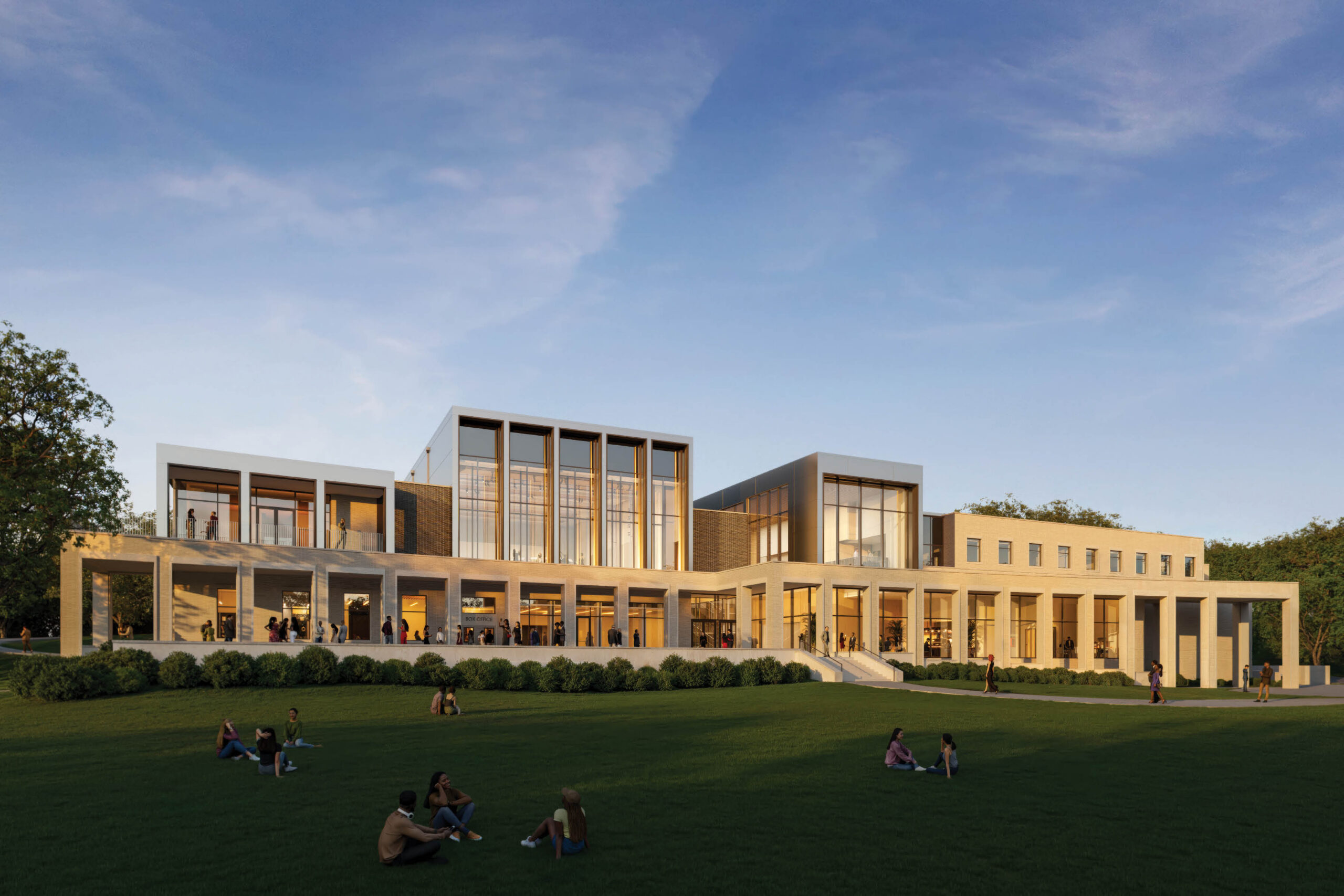
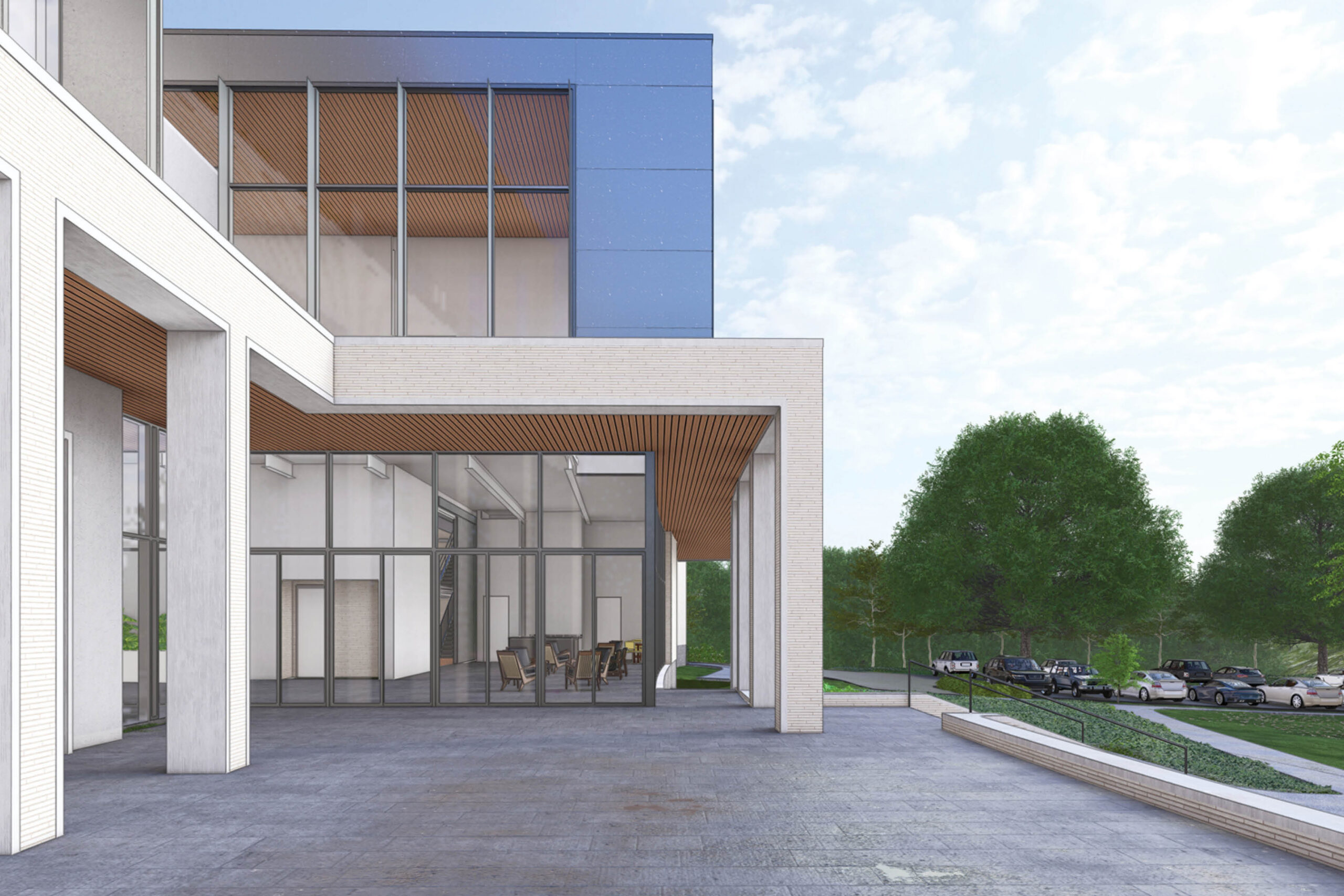
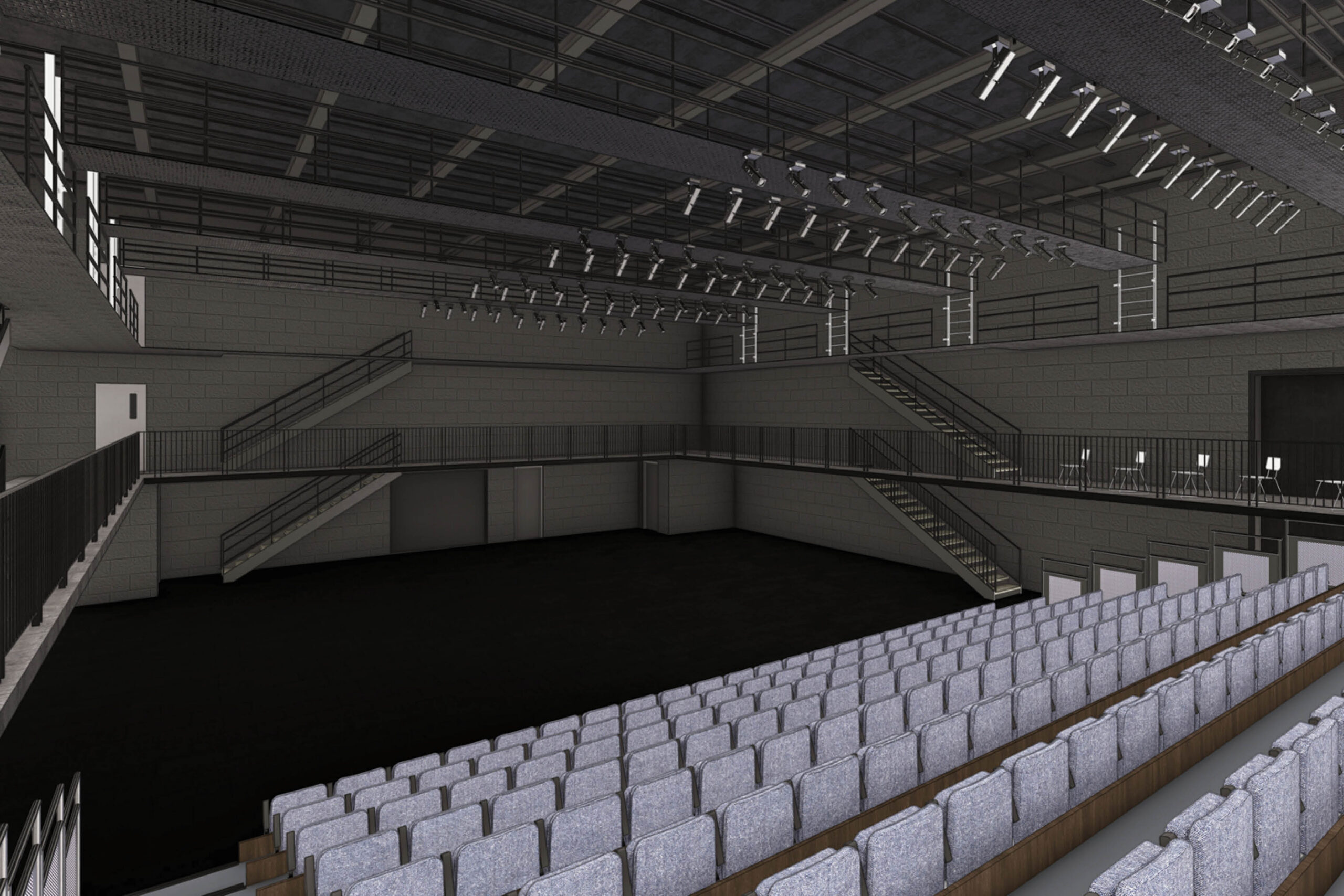
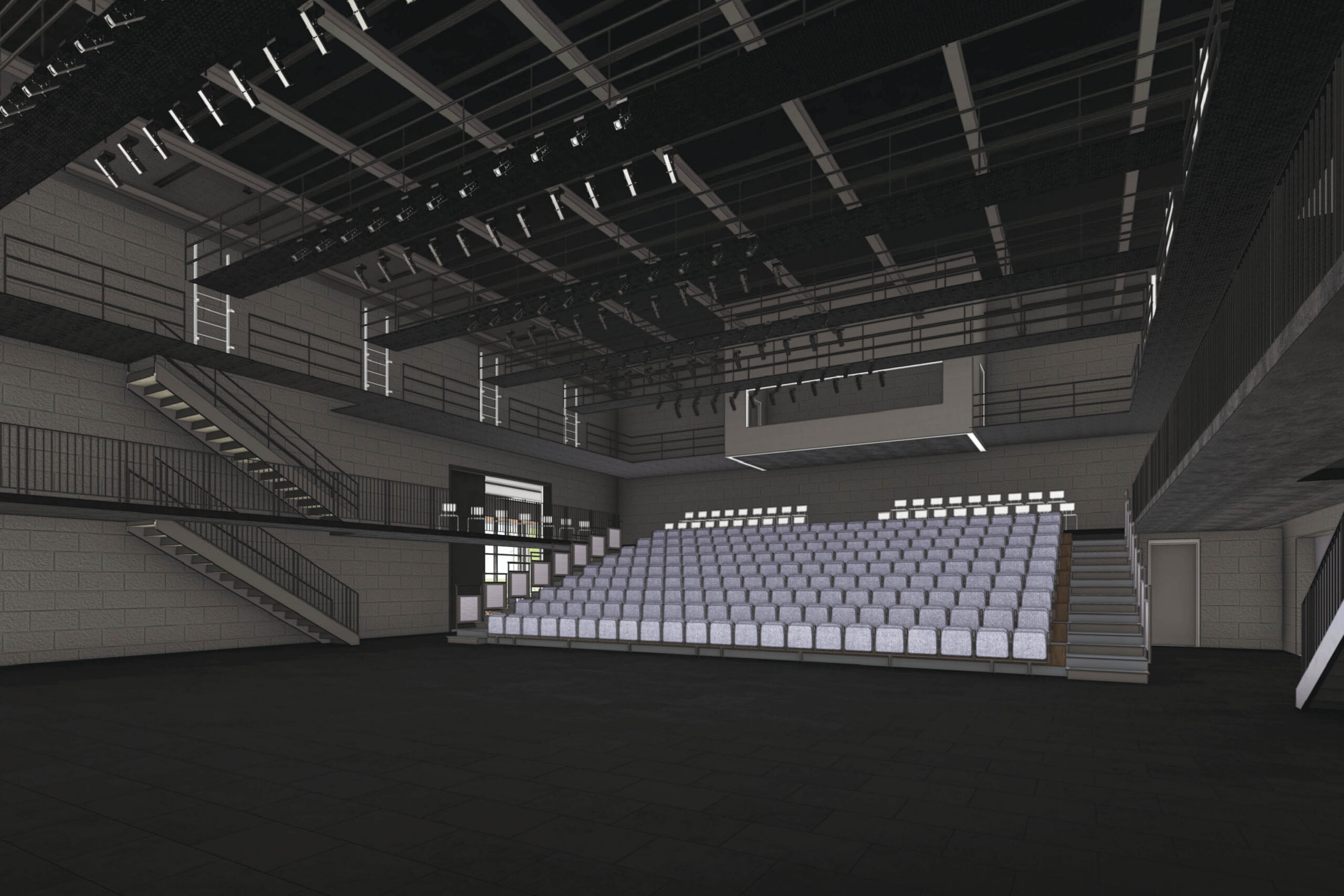


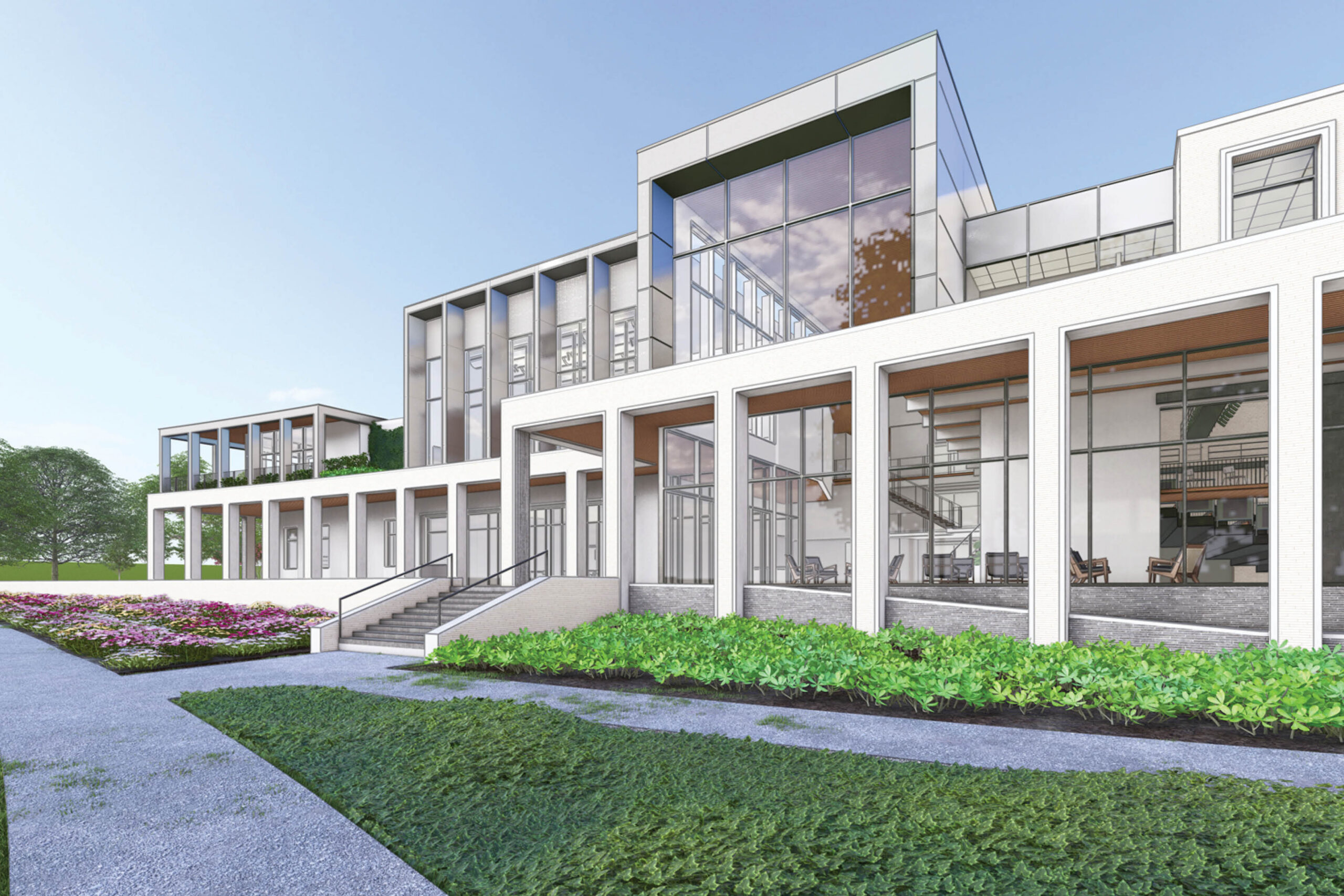
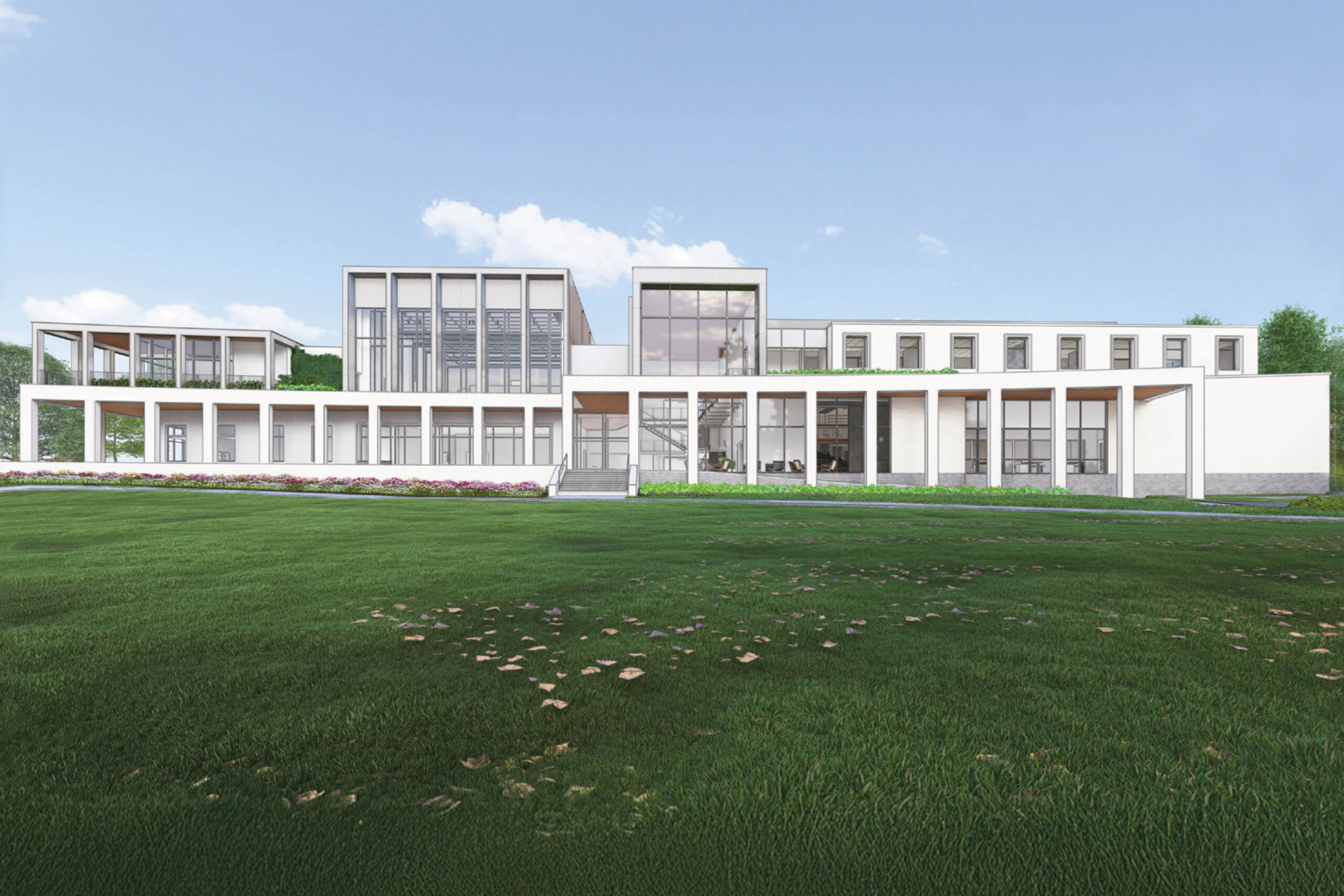
The campus will also include a film studio, costume shop, administrative offices, food and beverage options, and landscaped gardens. The historic clubhouse itself will be preserved and repurposed as the lobby and main entryway. Atlanta architecture firm Post Loyal, led by Allen Post, designed the modern addition to face the Beltline — a deliberate choice to draw people in from the trail. The Atlanta Opera will continue to stage its grand mainstage productions at the Cobb Energy Performing Arts Centre.
The project is anchored by a $27.5 million leadership gift from the Arthur M. Blank Family Foundation, announced in late 2024 — the largest single contribution in the Opera’s history. Of that amount, $25 million is designated for capital construction and $2.5 million will sustain the Molly Blank Discoveries Series, which introduces opera to new and more diverse audiences.
The center is named for Molly Blank, Arthur Blank’s mother, a dancer and sculptor who was passionate about opera, theater, and music in both Atlanta and New York. Arthur Blank, the co-founder of The Home Depot and owner of the Atlanta Falcons, described the naming as a tribute to her belief in the power of the arts to bring joy and healing.
The Blank gift is the cornerstone of a broader $110 million comprehensive fundraising campaign that is fueling the project and the Opera’s long-term growth.
Mayor Dickens used his remarks to connect the project to the deeper history of the site. He recalled the landmark civil rights case brought by golfer Alfred “Tup” Holmes, who in 1951 was denied entry to the city-owned Bobby Jones course because he was Black. Holmes’ lawsuit ultimately reached the U.S. Supreme Court, which ruled that Atlanta’s public golf courses must be desegregated.
“It is fitting that this entire site is being restored and reimagined as a place where all Atlantans can come together again — this time for music, storytelling, and live performance,” Dickens said. He called the center proof that investing in the arts is an investment in people and in a city’s future, noting its potential as both a cultural anchor and an economic driver for tourism and small businesses.
The project emphasizes environmental stewardship as much as the arts. Plans include floodplain improvements, rain gardens, and bioretention ponds for Peachtree Creek rehabilitation and flood mitigation, along with the preservation of legacy trees and a net increase in tree canopy through partnerships with Trees Atlanta, the Atlanta Memorial Park Conservancy, Breedlove Land Planning, and Davey Resource Group.
Zvulun painted a picture of a center that extends well beyond its walls: “This six-acre center for the arts extends beyond its walls onto a generous lawn that opens to the Beltline, inviting families, children, neighbors, and the puppies to mingle, rest, and play as part of the life of the center.”
Traffic impact is projected to be modest, with a maximum of approximately 60 patron vehicles per event, according to the Opera’s planning documents.
Initial site work is scheduled to begin February 23 — one week after the groundbreaking — with vertical construction planned for June 2026. The surface parking lot behind the building will be closed for much of the construction period. Substantial completion is targeted for October 2027, with a full opening expected in fall or winter of 2027.
The Opera will vacate its current leased offices along Northside Drive in the Georgia Tech area upon the center’s completion, consolidating its back-end operations along the Beltline.
“We will invite all of you to come and enjoy the new Molly Blank Center for Opera and the Arts when we open it in the fall of 2027,” Zvulun told the crowd. “Until then, we will see you at the Cobb Energy Center in one of our productions of grand opera.”
The groundbreaking caps a collaborative process between the Opera and Buckhead residents that began when the Haynes Manor Recital Hall Foundation first envisioned a performance space at the abandoned clubhouse. Kendra Adams, president of the Peachtree Battle Alliance, told Buckhead.com last fall that neighbors were initially wary of anything resembling the scale of Chastain Park Amphitheater, but were won over by the Opera’s plans for an intimate, community-oriented facility.
“This is going to be a great addition to the neighborhood,” Adams said at the time. “On the back side, it’s a glowing lantern on the Beltline.”
Board chair John Haupert, in his remarks at the ceremony, emphasized the collective nature of the effort. “Nothing about this project has been the work of one person, one committee, or one idea,” he said. “Great institutions are built the same way great buildings are built — through collaboration, trust, and a shared commitment to something bigger than any one of us.”
The Atlanta Opera joins a broader trend of major cultural institutions building direct connections to the Beltline. The Atlanta Botanical Garden is also planning a new visitors center connected to the Northeast Trail in Piedmont Park, with a similar 2027 target.
After the speeches and the ceremonial shovel turns — 31 representatives of the state, city, and community gathered on stage, 13 of them in hard hats for the photo — the afternoon gave way to a “Partnership Celebration” with cocktails, a performance by singers from the Atlanta Opera Studio Artists, and a champagne toast to what comes next.