
When we opened Local Three Kitchen & Bar just over fifteen years ago, our phones weren’t working, and our website wasn’t finished. There was no launch campaign, no influencer strategy, no grand announcement beyond a few quiet signals sent into the world. We had Facebook, OpenTable, and an email list of about five hundred loyal supporters of Muss & Turner’s, whom we called Ambassadors. We sent a simple note, unlocked the doors, and braced ourselves.
It wasn’t the good kind of busy at first. It was chaotic, disorienting, and humbling. We were underwater for a couple of shifts before finding our footing, but once we did, it all clicked. From that first week forward, we never really looked back. What surprised us most wasn’t the volume. It was the response. People seemed genuinely appreciative of what we had done with a space that carried a lot of baggage for many.
At the time, Local Three occupied what had previously been Joël Brasserie, once considered the Taj Mahal of chef-driven restaurants in Atlanta. It was built for a Michelin-star, James Beard Award-winning chef who had been given a blank check to design his dream kitchen. And yet, over nine years, Buckhead had ultimately rejected it. The space was beautiful, ambitious, and expensive, but despite its accolades, it never quite found its footing with the community around it.
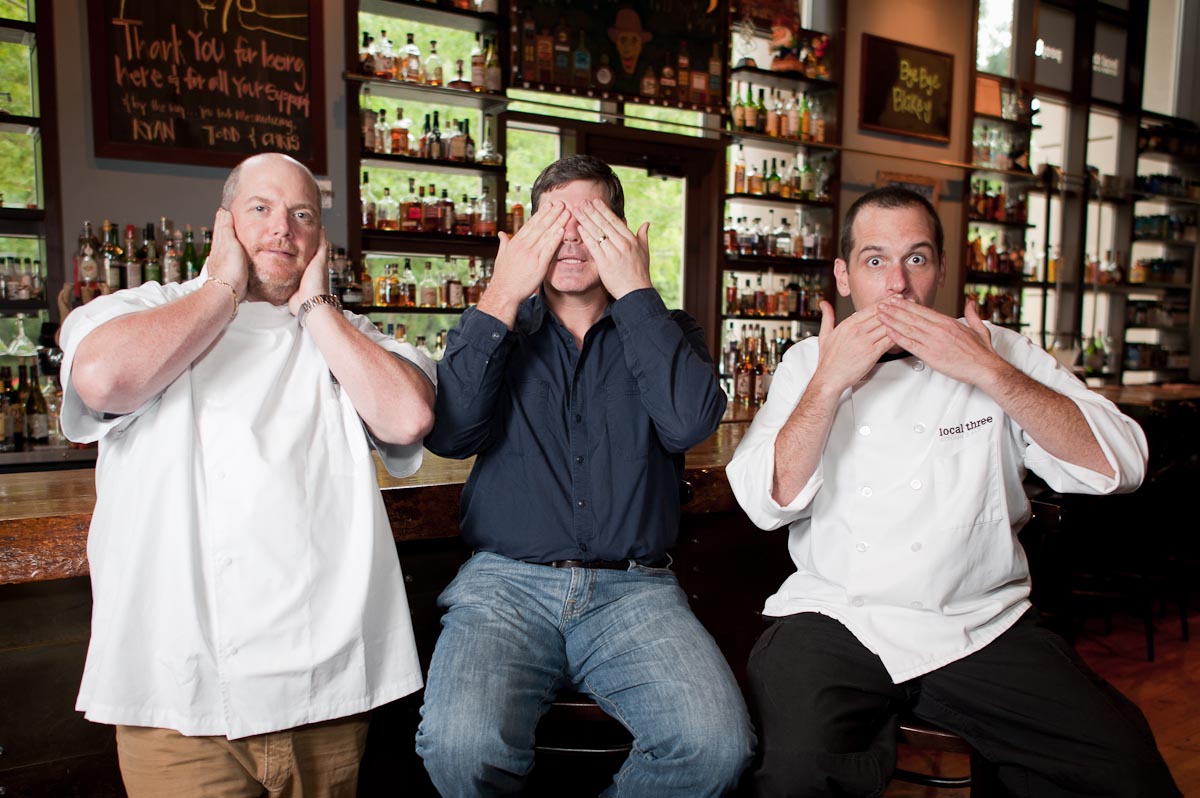
We were the guys who had started a small gourmet deli and bistro in Smyrna in 2005, Muss & Turner’s, partnering with a sous chef, Chris Hall, from Canoe, who grew up on Peachtree Battle. We were stepping into one of the most heralded restaurant buildouts Atlanta had ever seen, hidden inside an office building and violating every MBA lesson about visibility, convenience, and location. Those who knew us thought we were crazy. Those who didn’t were intrigued.
It was the depth of the Great Recession, a moment when most people were pulling back, not taking risks. The only other restaurant getting much critical attention at the time was Empire State South, which had opened a few months earlier in Midtown. Not far geographically, but far enough for diners deciding where to spend limited discretionary dollars.
There was enough intrigue that Atlanta Magazine assigned one of its writers, Amanda Hackett, to shadow us for twenty weeks, from shortly after we signed the lease in August of 2010 through our opening. We didn’t manage the narrative or curate what she saw. We simply opened the door and let her in. She watched us argue, stumble, second-guess ourselves, and slowly figure out what to do with what we had inherited. In March of 2011, she published a long-form piece titled Into the Fire, documenting how we transformed the failed glitz of Joël Brasserie into something humbler, warmer, and more human.
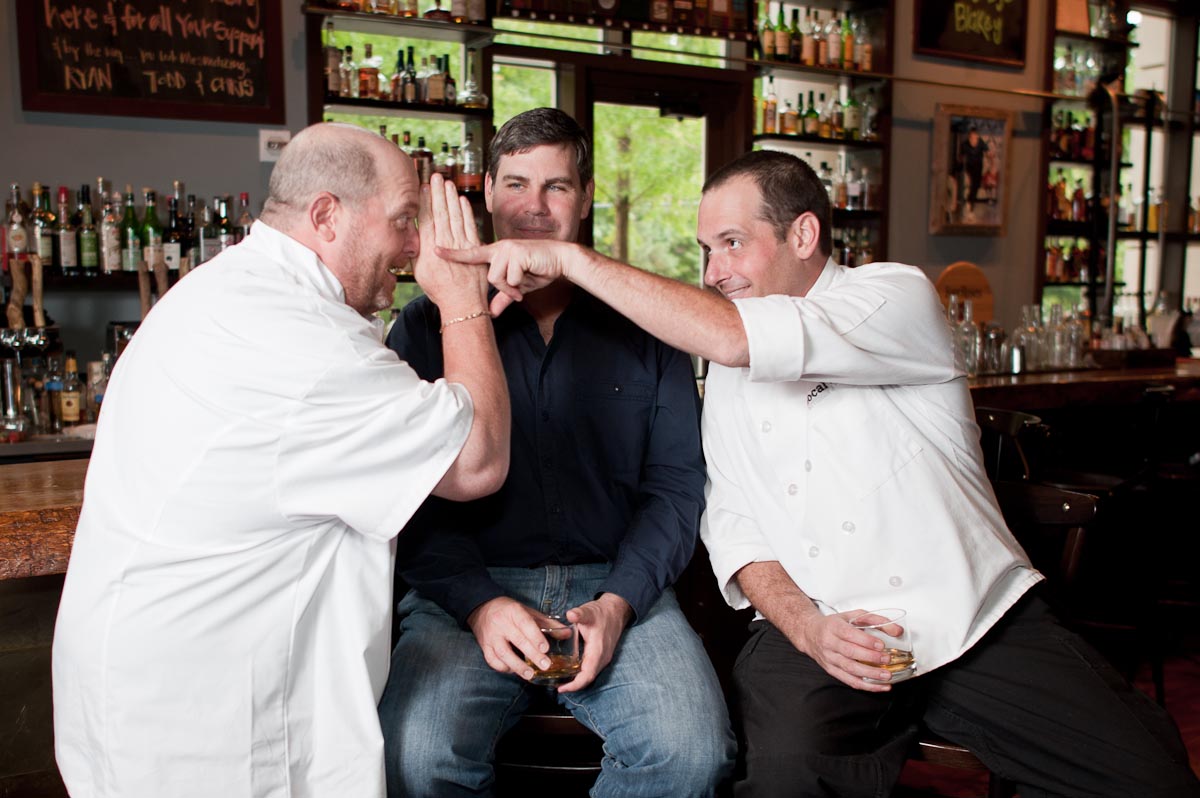
Looking back, I don’t think that opportunity came to us because of our résumés or our ideas. I think it came because we were willing to be transparent, vulnerable, and open to feedback, especially with the landlord. We were handed the keys to what felt like a palace, and we walked in like a band of gypsies who somehow didn’t belong there, which may have been exactly why we were trusted with it.
From the beginning, earning trust has been our objective and likely our only true competitive advantage. We opened Local Three with open arms, no pretense, and a sense of wit that signaled we didn’t take ourselves too seriously. It was the opposite of what diners had come to expect in that space. Buckhead hugged us back.
Fifteen years later, that gratitude has not faded. Becoming part of the fabric of people’s lives, from everyday meals to anniversaries, milestones, and celebrations of life, is a privilege that never stops feeling earned. The early years of extreme struggle at Muss & Turner’s taught us how to play the long game. They taught us that consistency matters more than hype, that genuine care compounds, and that humility outpaces accolades and ego.
Those lessons carried us through the Great Recession and eventually gave us the confidence to keep growing. By the time the pandemic arrived, we believed we had seen just about everything this industry could throw at us.


We learn very little when the tide is high. It is during low tide that we can see what is really going on. That is when inefficiencies are exposed, leadership gaps become visible, and opportunities to improve reveal themselves. Without trust, you do not have a sustainable business. Adversity accelerates wisdom because motives and root issues are revealed.
Roshambo opened on the day after Thanksgiving in 2022 at the Peachtree Battle Shopping Center. We signed the lease in June of 2021, and our landlord gave us a rare gift in this business: time. More than a year to steady ourselves after the pandemic, to watch the landscape, and to prepare. When we opened, pent-up demand and word of mouth sent us out of the gate fast, not unlike Local Three. From the beginning, our intention was to open another neighborhood restaurant, a place that felt familiar and reliable for the people who lived nearby.
Interest in Roshambo extended well beyond the neighborhood. Reservations became hard to come by for locals, so we created a special hotline number just for nearby residents, a small gesture meant to signal that this place was for them. On the surface, things looked great. Google and OpenTable ratings soared and thankfully remain very high. The dining room buzzed.


My partner, Chris Hall, poured an enormous amount of care into intentionally designing a space that was his love letter to Atlanta, paired with an elevated modern diner menu rooted in his philosophy: you can’t argue with delicious. The response was enthusiastic.
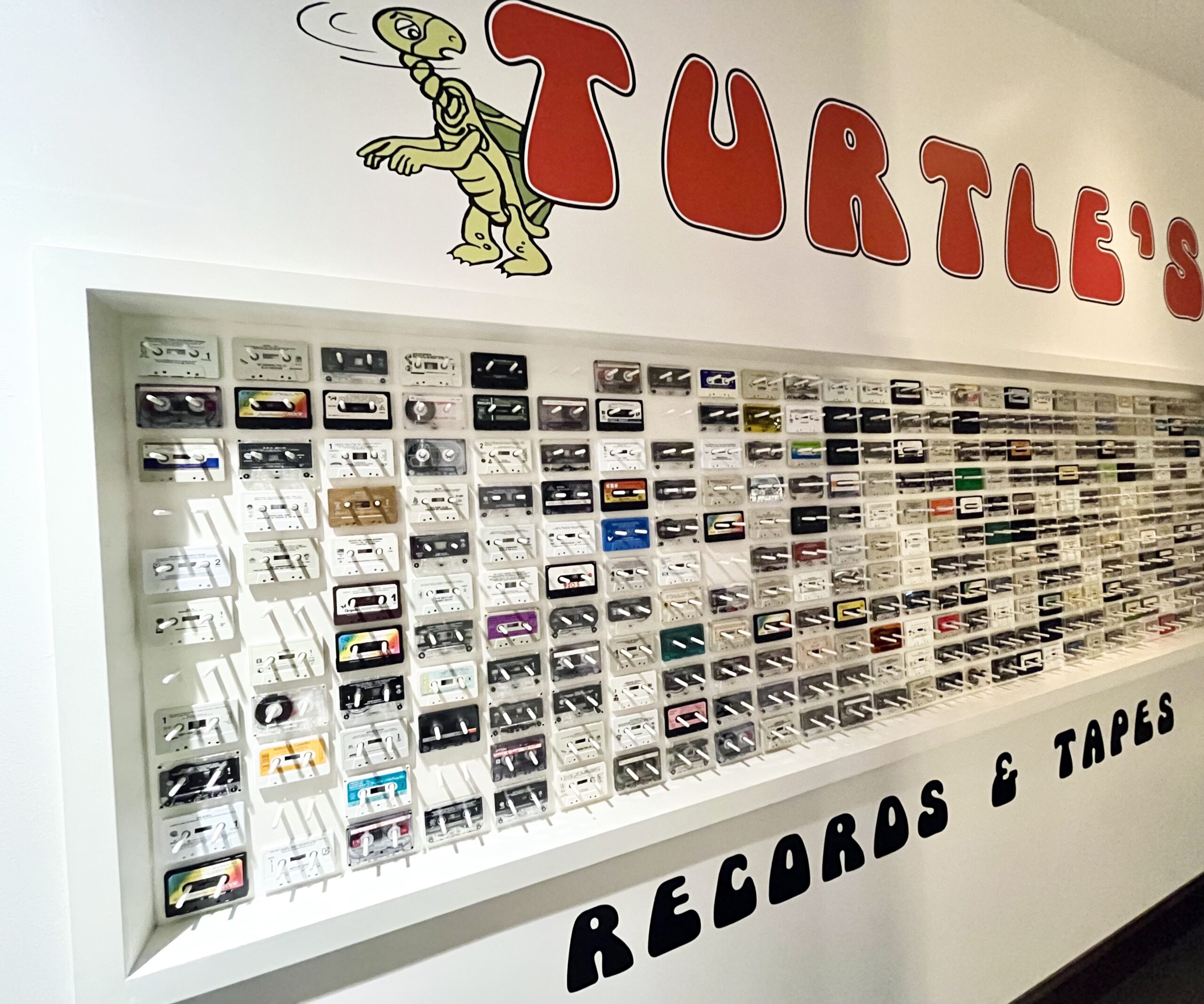
What we had was a problem disguised as a good one, and it was far more insidious than we realized. We were reading the wrong signals and, candidly, drinking our own Kool-Aid. In April of 2023, sales began to dip. We told ourselves it was the end of the honeymoon period. In April of 2024, sales dipped again, and we created another narrative, that the neighborhood was more seasonal than we understood, that people were migrating to second homes or cooler climates.
Those narratives were comforting.
They were also wrong.
Reviews remained strong while the bottom line told a very different story. That gap lingered longer than it should have, not because we were lazy or inattentive, but because we were attached to an original vision and reassured by affirmation. We confused being liked with being aligned with the community we relied upon.
Progress requires accepting reality, admitting when something is not working, and owning your role in it. In hindsight, recognizing the need to adapt at Roshambo took longer than it should have, not because of perfectionism, but because we were reading the wrong signals. Strong ratings reassured us, even as guest counts and sales told a different story.


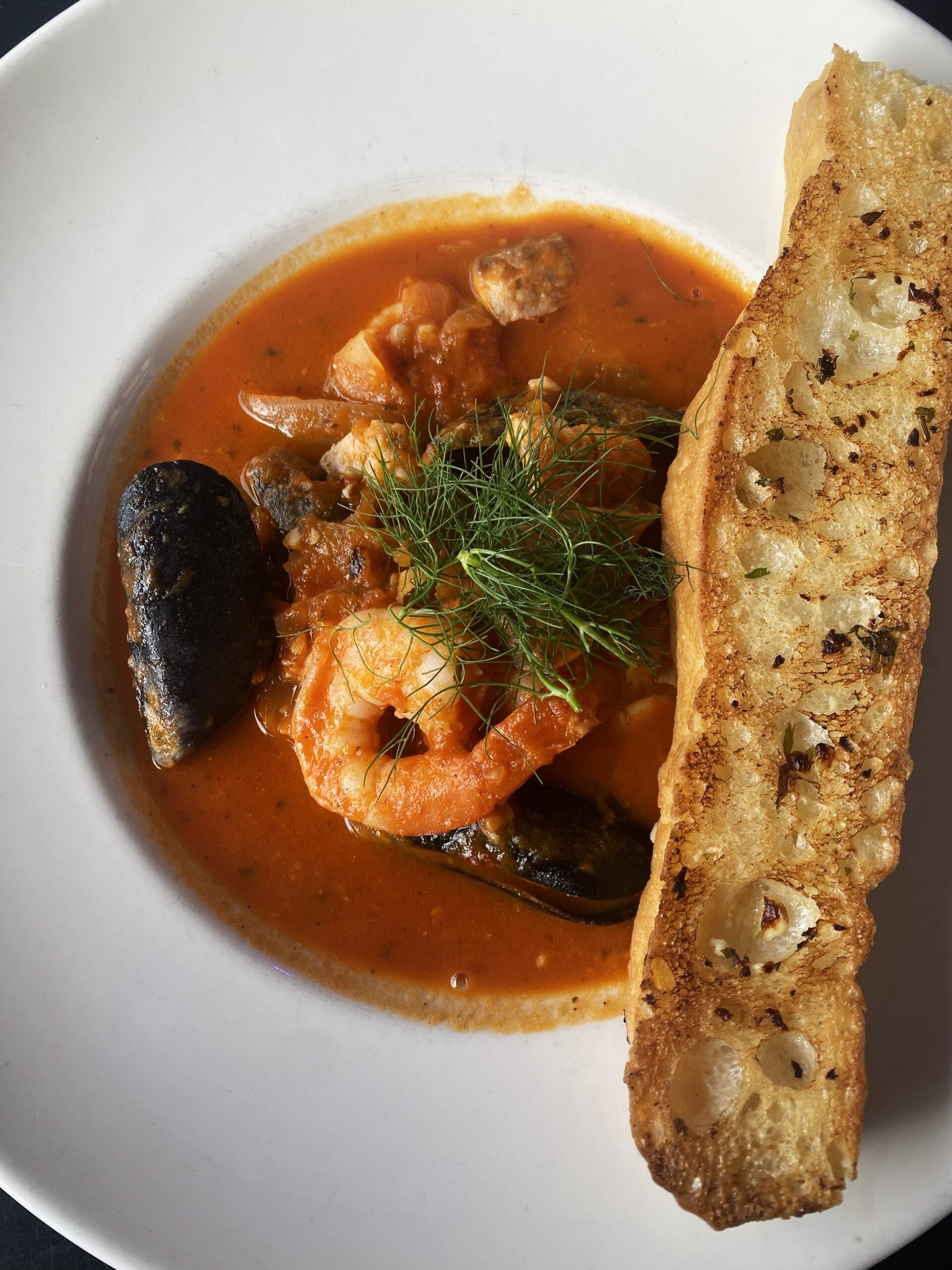
In early fall of 2024, the truth became impossible to ignore. We leaned back into the only lever we’ve ever truly trusted: relationships. We asked some of our most ardent supporters to invite people they respected, people who wanted us to win, but who would be candid with me about where we were missing the mark. I hosted four focus groups. They were uncomfortable and illuminating in equal measure.
The message was consistent.
We’re glad you’re here. We needed more dining options, but this isn’t what we wanted.
We immediately began shedding the modern diner identity, adjusting the menu, eliminating weekday lunches to focus on dinner and brunch, and finding operational efficiencies. It helped, but it wasn’t enough. The real shift didn’t happen until May of 2025, during a catalyst conversation with Billy and Felicia Huger. Billy held up the menu, still signaling the original diner concept, and explained how first impressions had hardened. He was right. The menu was hard to follow, and the signals were wrong.
That conversation helped connect all the dots I had collected during the focus groups.
Two things became clear. The neighborhood deeply missed the unofficial clubhouse feel of the Georgia Grill. And they wanted a locally owned, chef-driven alternative to Houston’s approachability and reliability, still the gold standard for consistency.
In late May, we launched a fundamentally different menu, easier to read, healthier, and more balanced, while keeping a handful of indulgent favorites that had earned their place. The response was immediate. Guests began giving us another shot and coming back more often. At the same time, we maintained close, transparent communication with our landlord, sharing our findings and plans. We have always viewed our stakeholders as partners, and that openness was met with extraordinary support.
Those changes are still unfolding. We have lowered booth tables to improve comfort and ease. We have softened the back dining room, the Side Hustle, with lighting and acoustic improvements. In early March, we will replace the bulky C-booths beneath the Atlanta skyline installation with comfortable booths seating up to four guests. We are opening the wall behind the host stand so the energy of the bar and dining room flows naturally as guests arrive.
We began seeing meaningful year-over-year sales and guest count growth in early October, and that momentum has carried into the new year. We are deeply grateful to those who stayed with us through the messy middle and to those who were willing to give us another chance.
For anyone who wrote us off early or has never visited, we would love the opportunity to host you, to connect, and to begin earning your trust. I cannot promise perfection. That would sit somewhere between arrogance and delusion. What I can promise is a team that cares deeply about delivering the experience we intend and about making things right when we miss the mark. Ironically, among all our restaurants, Roshambo has the best retention and is filled with wonderful humans we trust, and we are ready to welcome you with open arms.
Everything we do relies on humans, which makes this work hard, but also rich, meaningful, and fulfilling. Being a broker of human connection is both the challenge and the gift of this industry.
Resilience and perseverance are essential, but they often conflict with the pursuit of perfection, a pursuit that comes with blinders and real cost because it is unattainable. Our greatest competition is the person looking back at us in the mirror, and our biggest obstacle is the unchecked ego. We cannot afford to let it write checks our businesses will never cash.
Most media outlets focus on openings or closings. What rarely gets attention is the long, uncomfortable stretch in between, the messy middle, where survival is actually decided. Buckhead has taught us versions of that lesson more than once. We are still learning, and we remain grateful for the chance to keep doing so in this wonderful community for decades to come.